
Korean Won Weakness Triggers 55% Stablecoin Crash as Investors Pivot to KOSPI
South Korea's crypto market is losing ground to its stock market at a pace rarely seen before. Stablecoin holdings across the nation's five largest cryptocurrency exchanges — Upbit, Bithumb, Coinone, Korbit, and GOPAX…

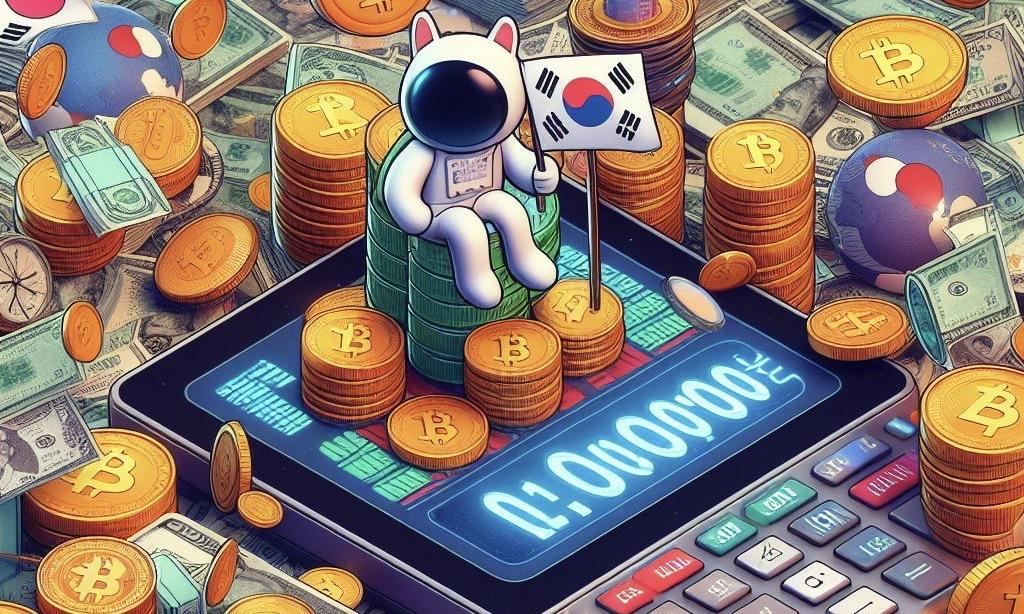
South Korea's crypto market is losing ground to its stock market at a pace rarely seen before. Stablecoin holdings across the nation's five largest cryptocurrency exchanges — Upbit, Bithumb, Coinone, Korbit, and GOPAX — have plummeted 55% since July 2025, shrinking from $575 million to just $188 million by mid-March 2026. The selloff, tracked by Allium Labs across Ethereum and Tron wallets, accelerated sharply as the Korean won tumbled to its weakest level against the dollar in 16 years.
The breaking point came when USD/KRW crossed 1,500 — a psychological and historical threshold last touched during the 2008 financial crisis. At that level, traders holding dollar-pegged stablecoins like Tether were sitting on outsized currency gains, making it an opportune moment to convert back into won and rotate into domestic investments. According to DNTV Research founder Bradley Park, this foreign exchange trigger, not a change in risk sentiment, drove the bulk of the outflows.
The broader capital rotation from crypto to equities had already been underway since late 2024, when fading altcoin momentum sent retail investors chasing AI-driven chipmakers listed on Korean exchanges. But the mid-March currency move gave that trend a significant push. South Korea's government has also played a role, rolling out repatriation incentive accounts that offer up to 100% capital gains tax exemptions for investors who bring overseas capital home and put it to work locally.
The KOSPI has responded strongly, rising 75% in 2025 and adding another 37% in 2026 to become the world's top-performing major index. Samsung Electronics and SK Hynix together command roughly half of total market capitalization and account for more than half of projected earnings, making them the primary beneficiaries of redirected retail and institutional money.
For global crypto markets, the implications are significant. South Korean retail traders have historically been among the most active participants in digital asset bull runs. With capital now firmly anchored in domestic equities, any sustained crypto recovery may have to wait — unless a sharp KOSPI correction, particularly amid rising energy risks tied to Strait of Hormuz tensions, sends investors looking for the exit.
Riza Dagoc
Riza Dagoc reports on regulation, investing and the digital-asset business for TokenPost. Send corrections or tips to info@tokenpost.com.