
CME, ICE Push Regulators to Review Hyperliquid Over Market Risks
CME Group and Intercontinental Exchange (ICE), the parent company of the New York Stock Exchange, are reportedly urging U.S. regulators to take a closer look at decentralized crypto exchange Hyperliquid due to concern…


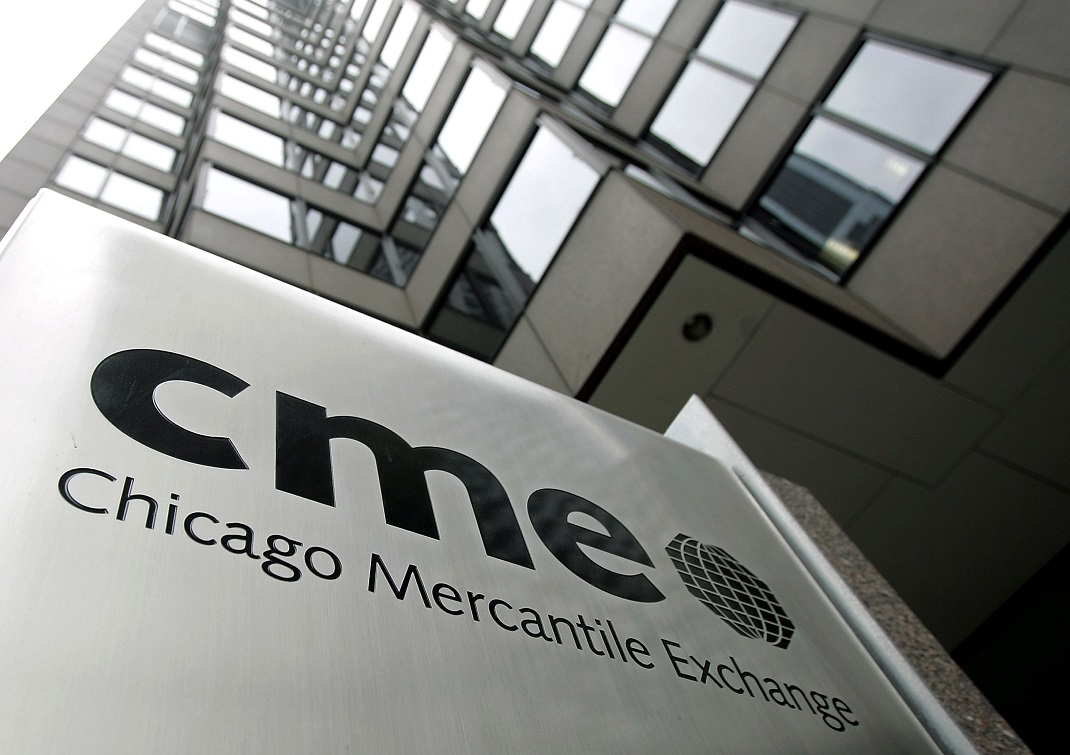
CME Group and Intercontinental Exchange (ICE), the parent company of the New York Stock Exchange, are reportedly urging U.S. regulators to take a closer look at decentralized crypto exchange Hyperliquid due to concerns surrounding market manipulation and sanctions evasion.
According to a Bloomberg report published Friday, executives from both exchanges have raised concerns with officials at the Commodity Futures Trading Commission (CFTC) as well as lawmakers in Washington. They argue that Hyperliquid’s fast-growing perpetual futures trading platform could pose risks to traditional commodities markets, especially the global oil market.
CME and ICE are reportedly worried that Hyperliquid’s decentralized infrastructure and anonymous trading activity may create opportunities for bad actors to manipulate prices or bypass U.S. financial sanctions. The companies believe the exchange’s trading volumes could eventually influence major oil benchmarks and potentially enable insider coordination or activity linked to sanctioned entities.
Hyperliquid has rapidly become one of the leading decentralized derivatives exchanges in the crypto industry, fueled by strong demand for perpetual futures trading. Perpetual futures, commonly known as “perps,” allow traders to speculate on asset prices with leverage and without expiration dates. The exchange operates 24/7, giving users constant access to crypto derivatives markets outside traditional trading hours.
The report briefly impacted Hyperliquid’s native token, HYPE, which dropped after the news surfaced before recovering to trade near $44. Despite the volatility, the token remained up around 4% over the previous 24 hours. Earlier this week, HYPE rallied nearly 20% after Coinbase and Circle announced partnerships connected to the exchange. Coinbase revealed it would serve as the official USDC treasury partner integrated with Hyperliquid, further strengthening the platform’s ties to major U.S. crypto firms.
Hyperliquid has also expanded into synthetic trading products through its HIP-3 markets, enabling users to gain exposure to traditional assets such as stocks and commodities. This move places the decentralized exchange in direct competition with established financial giants like CME and ICE, which operate under strict regulatory frameworks.
As decentralized finance continues expanding into traditional markets, regulators and legacy exchanges are increasingly paying attention to the growing influence of crypto-based derivatives platforms like Hyperliquid.
Riza Dagoc
Riza Dagoc reports on regulation, investing and the digital-asset business for TokenPost. Send corrections or tips to info@tokenpost.com.