
 Add as a preferred source on Google
Navitas Says AI Infrastructure Business Could More Than Triple in 2027
Navitas expects AI infrastructure to exceed 40% of revenue by year-end 2026 and forecasts fourth-quarter revenue of $16 million, plus or minus $500,000.

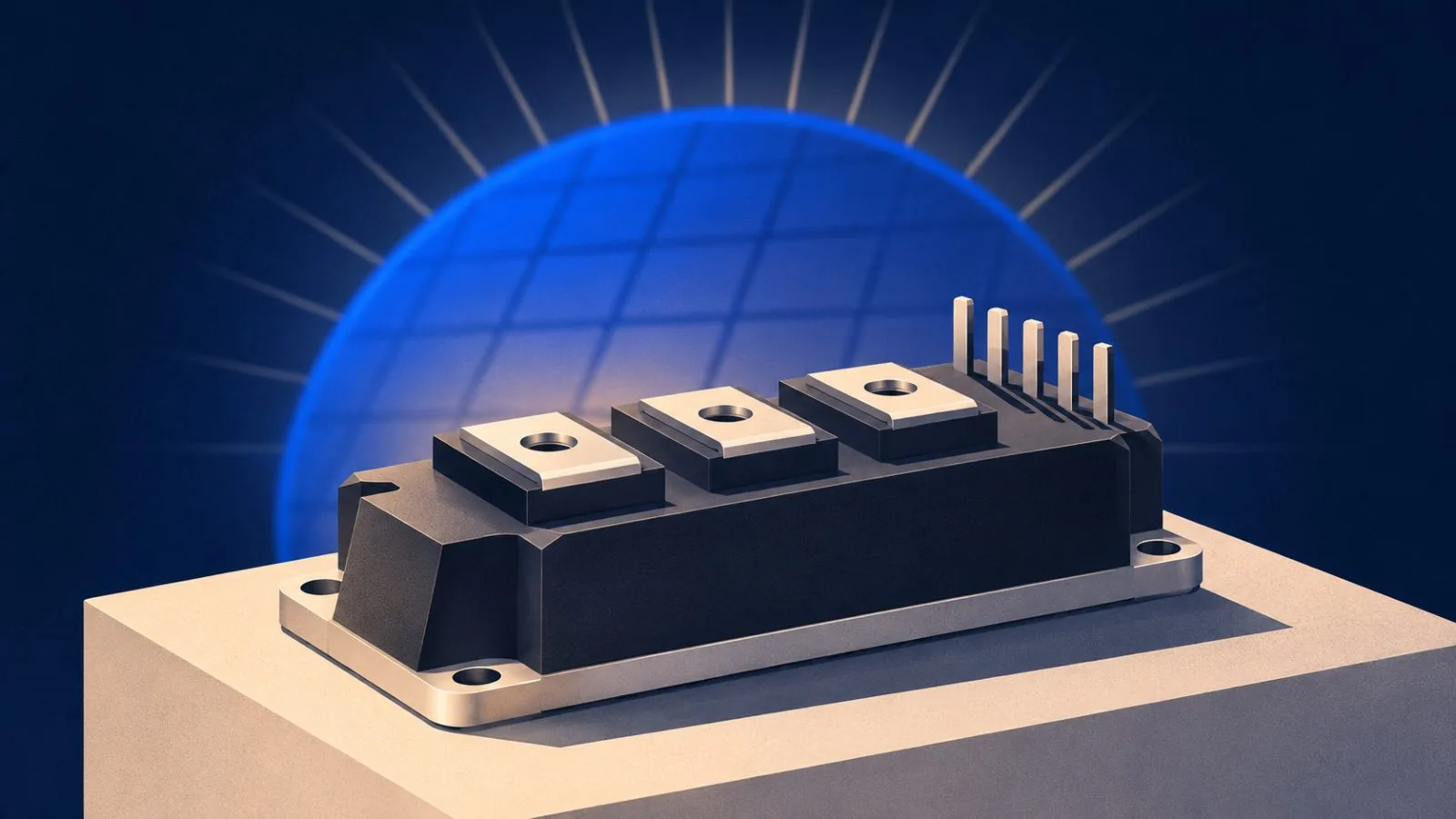
Navitas Semiconductor said its AI infrastructure business could more than triple in 2027, signaling a growing role for data-center and grid power systems as the company shifts toward higher-power markets.
President and CEO Chris Allexandre said on a Nov. 3 earnings call, “We are clearly seeing a potential for that business to more than triple next year, right?” The projection is a management expectation. Navitas has not disclosed a dollar estimate for the business’s 2027 revenue.
The company expects AI infrastructure to account for more than 40% of total revenue by the end of 2026. Navitas defines the category as AI data centers and the grid and energy infrastructure that supports them. It has not provided a dollar figure for the category’s 2026 revenue baseline, so the growth projection cannot be translated into a specific 2027 revenue amount from the figures disclosed.
Navitas reported third-quarter revenue of $14 million, up 33% from the previous quarter and 38% from a year earlier. It forecast fourth-quarter revenue of $16 million, plus or minus $500,000. At the midpoint, the forecast represents 14% sequential growth and 119% growth from the fourth quarter of 2025. Those figures cover Navitas’ total revenue, not AI infrastructure revenue alone. The company’s third-quarter results and fourth-quarter revenue outlook provide the near-term backdrop for the projection.
Navitas said its backlog extends into mid-2027 and its third-quarter book-to-bill ratio was well above one. For the fourth quarter, it forecast non-GAAP gross margin of 40.5%, plus or minus 1 percentage point, and non-GAAP operating expenses of $25 million, plus or minus $1 million. The expense forecast includes costs associated with Claros.
The company is shifting its focus toward high-power markets, including AI data centers, energy and grid infrastructure, performance computing and industrial electrification. It closed its Claros acquisition on Oct. 6, adding integrated voltage regulator technology for power delivery to processors in next-generation AI data centers.
John Kim
John Kim reports on the digital-asset business for TokenPost. Send corrections or tips to info@tokenpost.com.