
 Add as a preferred source on Google
$268 Million Crypto Liquidations Hit Shorts as Bitcoin, Ethereum Lead Rebound
Roughly $268 million in crypto positions were liquidated, mostly shorts, as Bitcoin and Ethereum led a leverage-driven market rebound.







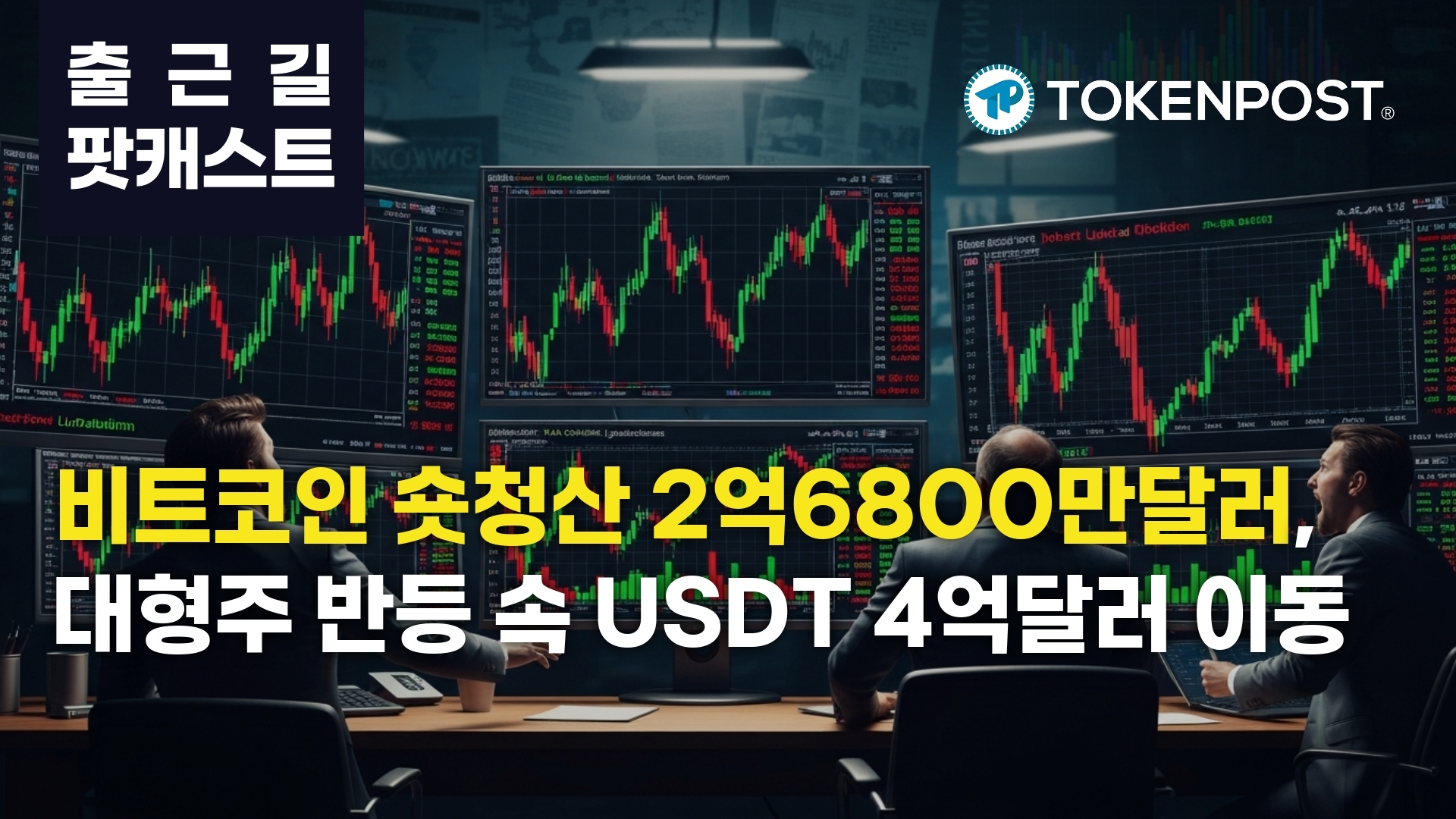
Crypto markets staged a modest rebound over the past 24 hours, but the more consequential move came under the surface: roughly $268 million in leveraged positions were forcibly liquidated, with short sellers taking the bulk of the hit. The episode suggests the market’s latest uptick was driven less by fresh risk-on conviction than by a rapid unwind of downside bets—an adjustment that can temporarily reset positioning and amplify near-term volatility.
Data showed short liquidations accounted for 63.58% of the total, compared with 36.42% for longs, indicating that bearish positioning broke faster than bullish exposure. In practice, that imbalance often points to a market that pivoted abruptly from risk aversion to a reflexive rebound, as traders rushed to close short exposure into rising prices.
Liquidations were concentrated in the two largest assets, underscoring that the rebound was led by majors rather than an indiscriminate altcoin surge. Bitcoin (BTC) accounted for about $136.43 million in liquidations, while Ethereum (ETH) saw roughly $131.96 million. BTC rose 1.82% to $76,344, and ETH gained 1.48% to $2,333—price moves that are relatively contained, but notable given that the most acute pressure appeared in large-cap derivatives positioning.
Major altcoins broadly followed higher but without the kind of broad-based breakout typically associated with a full market rotation. XRP (XRP) added 0.94%, BNB (BNB) rose 1.29%, Solana (SOL) increased 0.78%, and Dogecoin (DOGE) gained 1.09%, while TRON (TRX) and Hyperliquid (HYPE) underperformed. The mixed tape supports the view that capital is moving selectively, rather than flooding the entire risk complex.
Market share metrics further reinforced a “majors first” rebound. Bitcoin dominance climbed to 59.64%, up 0.25 percentage points on the day, while Ethereum’s share edged up to 10.99%. Even during the bounce, flows appeared to concentrate in large-cap assets, implying the market has not convincingly shifted into a sustained ‘altcoin rotation’ phase.
Trading activity also tilted toward leverage. Total crypto volume was reported at about $144.2 billion, while derivatives volume reached roughly $944.7 billion—up 19.21% from the prior day. The outperformance of derivatives relative to spot suggests ‘short-term directional bets’ continue to drive price discovery, leaving markets more sensitive to liquidation cascades and rapid sentiment swings.
Stablecoin activity rose in parallel. Stablecoin trading volume increased to around $183.7 billion, up 21.37% over 24 hours—often interpreted as a sign that both sidelined capital and high-turnover trading liquidity are building at the same time. DeFi volumes also increased to about $13.1 billion, while DeFi market capitalization was cited near $61.7 billion, indicating risk appetite has not vanished, even if the center of gravity remains in large caps and stablecoins.
Macro and policy headlines added to the day’s cautious tone. President Trump said he sees a low likelihood of extending a ceasefire with Iran and indicated the reopening of the Strait of Hormuz would be held back until a deal is reached—comments that could raise cross-asset volatility given the strait’s importance to global energy flows. Separately, market participants weighed reports that U.S. Senate deliberations on a stablecoin bill could slip into May, potentially pushing ‘regulatory clarity’ expectations further out for stablecoin and DeFi-linked sectors.
On-chain watchers also flagged large USDT movements. Roughly $199.94 million in USDT reportedly moved from an unidentified wallet to Ethena, and an additional 222 million USDT was transferred from Tether’s treasury to an unidentified wallet. While the purpose of the transfers was not confirmed, the scale and timing—alongside rising stablecoin turnover—kept attention on ongoing ‘liquidity reshuffling’ across venues and strategies.
Meanwhile, industry-specific issues resurfaced even as prices firmed. Polymarket reportedly experienced website disruptions that halted trading, and Kraken faced scrutiny tied to due diligence questions around a Memecore listing process—reminders that ‘infrastructure reliability’ and exchange transparency remain persistent trust variables during periods of heightened trading intensity.
Overall, the session’s defining feature was not the size of the price bounce, but the short-heavy liquidation wave that forced a rapid repositioning across majors. With Bitcoin dominance rising, derivatives and stablecoin activity accelerating, and geopolitical and legislative uncertainties in the background, the market’s rebound looked less like a broad relief rally and more like a tightly wound reset in leverage and risk exposure.
Article Summary by TokenPost.ai
🔎 Market Interpretation
Rebound driven by positioning, not conviction: Prices rose modestly, but the dominant catalyst was a forced unwind of bearish leverage—about $268M liquidated, with shorts forming 63.58% of total.
“Majors-first” participation: Liquidations and gains were concentrated in BTC (~$136.43M) and ETH (~$131.96M), suggesting the move was led by large caps rather than a broad altcoin rotation.
Volatility sensitivity increased: Derivatives volume (~$944.7B, +19.21%) far exceeded spot activity, implying price discovery is being set by leveraged flows—conditions that can fuel liquidation cascades.
Capital concentration signals caution: BTC dominance rose to 59.64% and ETH share to 10.99%, reinforcing that risk is being expressed primarily through the most liquid assets.
Liquidity build alongside uncertainty: Stablecoin turnover climbed (~$183.7B, +21.37%), while macro (Hormuz/energy risk) and policy (stablecoin bill delay) headlines kept the tone cautious.
💡 Strategic Points
Interpret the bounce as a squeeze/reset: With shorts liquidated disproportionately and spot moves relatively small (BTC +1.82%, ETH +1.48%), the rally may reflect mechanical buying rather than sustained demand.
Watch “dominance + derivatives” together: Rising BTC dominance combined with elevated derivatives volume often aligns with risk-off within crypto (flight to liquidity) even when prices tick up.
Altcoin selectivity remains key: Mixed large-alt performance (e.g., XRP/BNB/DOGE up modestly; TRX/HYPE lag) argues against assuming a market-wide beta rally.
Monitor stablecoin flows for venue/strategy shifts: Large USDT transfers (e.g., ~$199.94M to Ethena; 222M from Tether to an unknown wallet) can precede changes in liquidity distribution, collateral deployment, or hedging activity.
Event-risk overlay: Geopolitical headlines tied to the Strait of Hormuz can spill into crypto via cross-asset volatility; regulatory timing risk (stablecoin bill possibly slipping to May) may dampen sector re-rating narratives.
Operational risk reminder: Polymarket disruptions and Kraken listing scrutiny highlight that during high leverage regimes, platform reliability and transparency can materially affect execution and sentiment.
📘 Glossary
Liquidation: Forced closing of a leveraged position when collateral is insufficient to cover losses, typically accelerating price moves.
Short liquidation / short squeeze: Shorts are forced to buy back as price rises, creating additional upward pressure.
Derivatives volume: Trading activity in futures/perpetual swaps/options; often reflects leveraged positioning and short-term speculation.
Spot volume: Trading of the underlying asset for immediate settlement, generally viewed as less leverage-driven.
Bitcoin dominance: BTC’s market cap share of the total crypto market; rising dominance often signals preference for liquidity/large caps.
Altcoin rotation: A phase where capital flows from BTC/ETH into smaller-cap tokens, typically seen in broader risk-on rallies.
Stablecoin: A token pegged to a fiat currency (e.g., USD) used for trading liquidity, collateral, and on-chain settlement.
DeFi (Decentralized Finance): On-chain financial applications (lending, trading, yield) that operate via smart contracts.