
 Add as a preferred source on Google
Satoshi-Era Bitcoin Wallet Awakens After 16 Years, Turns 40 BTC Into $2.54 Million
A Bitcoin wallet dating back to the early days of the network has reawakened after nearly 16 years of inactivity, transferring 40 BTC worth approximately $2.54 million, according to on-chain data. The transaction has …

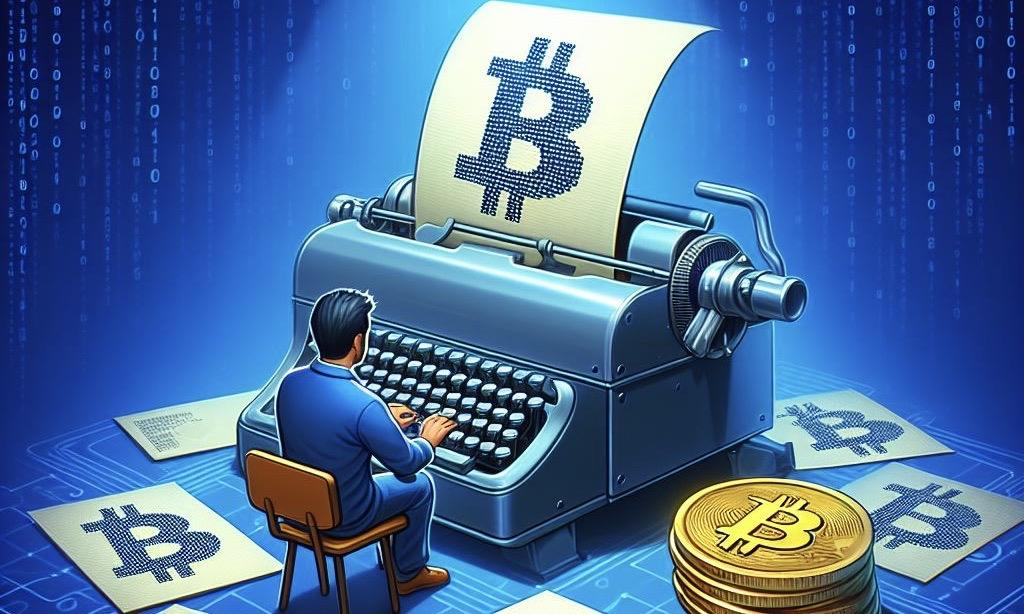
A Bitcoin wallet dating back to the early days of the network has reawakened after nearly 16 years of inactivity, transferring 40 BTC worth approximately $2.54 million, according to on-chain data. The transaction has reignited discussions about long-dormant Bitcoin holdings and the number of coins believed to be permanently lost.
The wallet had remained untouched since Aug. 3, 2010, during the so-called "Satoshi era," when Bitcoin creator Satoshi Nakamoto was still active in the community and mining was commonly done using ordinary home CPUs.
What makes the transfer remarkable is the extraordinary return on investment. Bitcoin traded for only a few cents in 2010, giving the wallet an estimated acquisition cost close to zero. After almost 16 years, the holdings have appreciated by an estimated 105,742,020%, highlighting Bitcoin's long-term price growth.
Despite moving millions of dollars in BTC, the owner paid only 2,210 satoshis in transaction fees—roughly 10 sat/vB—to complete the transfer in Bitcoin block 957220. Blockchain analytics platform Arkham flagged the activity, identifying it as a Satoshi-era wallet becoming active for the first time since 2010.
The transaction also sparked renewed debate across the crypto community about the true number of "lost" bitcoins. Galaxy Digital Head of Research Alex Thorn commented on X that many supposedly lost coins may still be accessible, writing, "'Lost coins' are more myth than you think."
Blockchain records further reveal that the wallet had previously received a dust transaction labeled "Salomon Client Dusted," a common tactic known as a dusting attack. In these attacks, tiny amounts of cryptocurrency are sent to wallets in an attempt to trace ownership or link addresses through future transactions.
While the movement of such an old wallet often raises concerns about potential selling pressure, it does not necessarily indicate that the Bitcoin will be sent to exchanges. Many early Bitcoin holders transfer funds from legacy wallets to newer address formats to improve security, enhance compatibility with modern wallet standards, or better protect long-held digital assets.
Riza Dagoc
Riza Dagoc reports on regulation, investing and the digital-asset business for TokenPost. Send corrections or tips to info@tokenpost.com.