OECD Raises 2026 Growth Outlook as AI Investment Counters Energy Shock
Global growth is projected at 2.9% this year and 3.0% in 2027, while depleted energy buffers and weaker AI returns threaten the outlook.

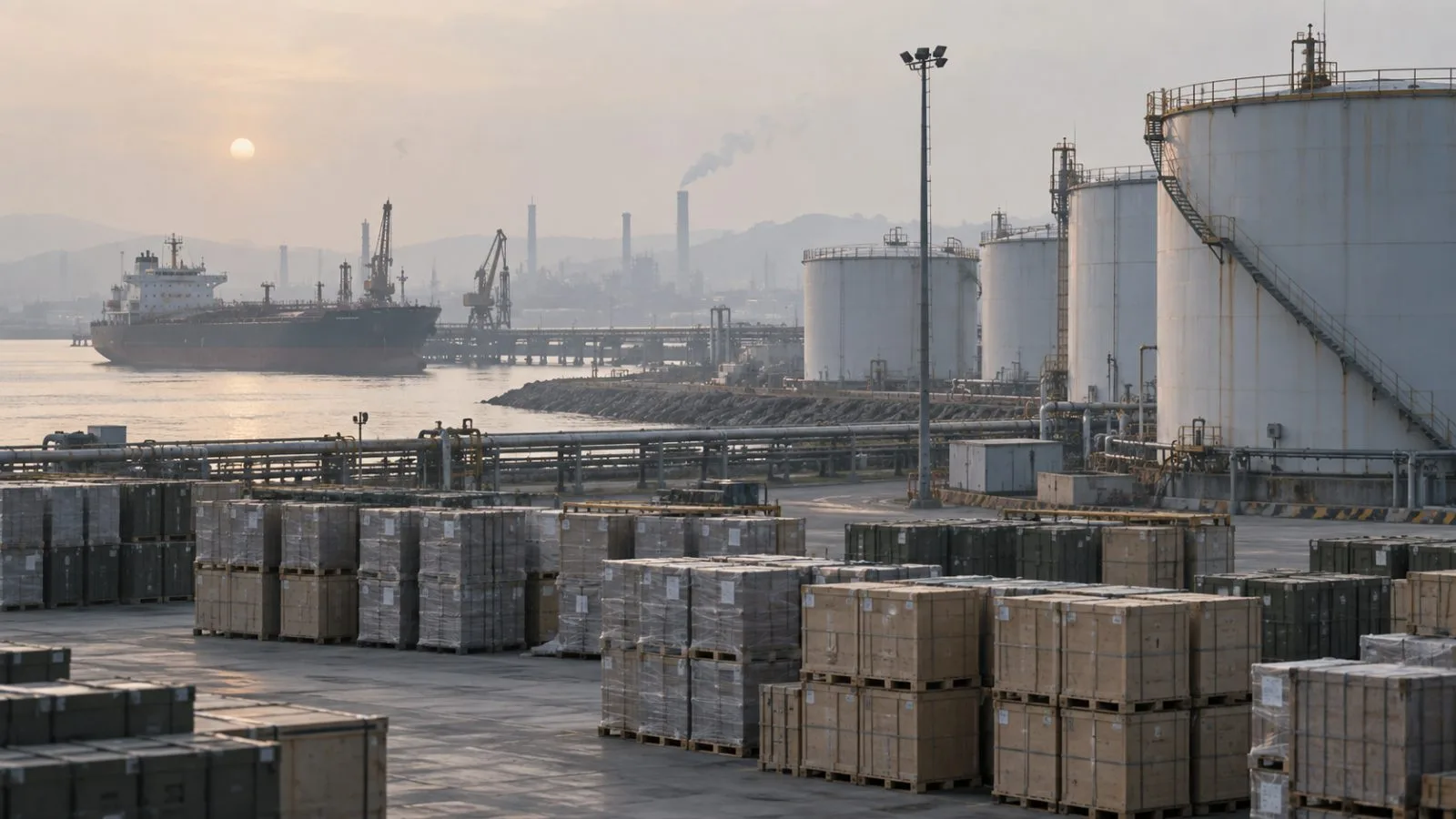
The Organisation for Economic Co-operation and Development raised its 2026 global growth forecast to 2.9% as artificial-intelligence investment supports production and trade amid an energy shock linked to conflicts in the Middle East.
The projection is up from 2.8% in June. The OECD lowered its 2027 forecast to 3.0% from 3.1%, while global growth reached 3.4% in 2025.
U.S. economic growth is projected at 2.2% in 2026 and 2.1% in 2027. G20 inflation is projected at 4.1% in 2026 and 3.6% in 2027, with the 2027 estimate 0.5 percentage point above the June projection.
“AI gave growth a powerful boost,” OECD Secretary-General Mathias Cormann said.
Computer and electronics production rose 10% in the European Union and 12% in the United States in the 12 months through July 2026. AI-related products now account for almost two-thirds of global goods-trade growth.
The energy shock has been partly absorbed through rerouted supplies, increased production outside the Gulf, inventory drawdowns, strategic-reserve releases and weaker oil demand, particularly in China. Global oil inventories were 507 million barrels lower in August 2026 than in February, a decline of about 6%.
“Global growth has held up better than expected, but the buffers that absorbed the energy shock are being depleted,” Cormann said.
The OECD’s baseline follows futures-market energy prices available on Sept. 14. It projects oil will average $105 per barrel in the fourth quarter of 2026 and $85 per barrel in 2027.
The outlook remains exposed to higher inflation, depleted energy buffers, rising bond yields and weaker-than-expected returns from AI investment. Rapid AI spending is also relying more heavily on external financing, raising the risk of financial-asset repricing if returns fall short.
In an illustrative downside scenario, persistently higher energy and food prices combined with tighter financial conditions would reduce global growth by 0.7 percentage point in 2027 and increase inflation by 1.1 percentage points.