
 Add as a preferred source on Google
Real rates near zero warrant modest tightening to restore 2% inflation, Hoenig says
Thomas Hoenig said real interest rates remain near zero with inflation around 4%, making modest tightening appropriate to restore the 2% target.

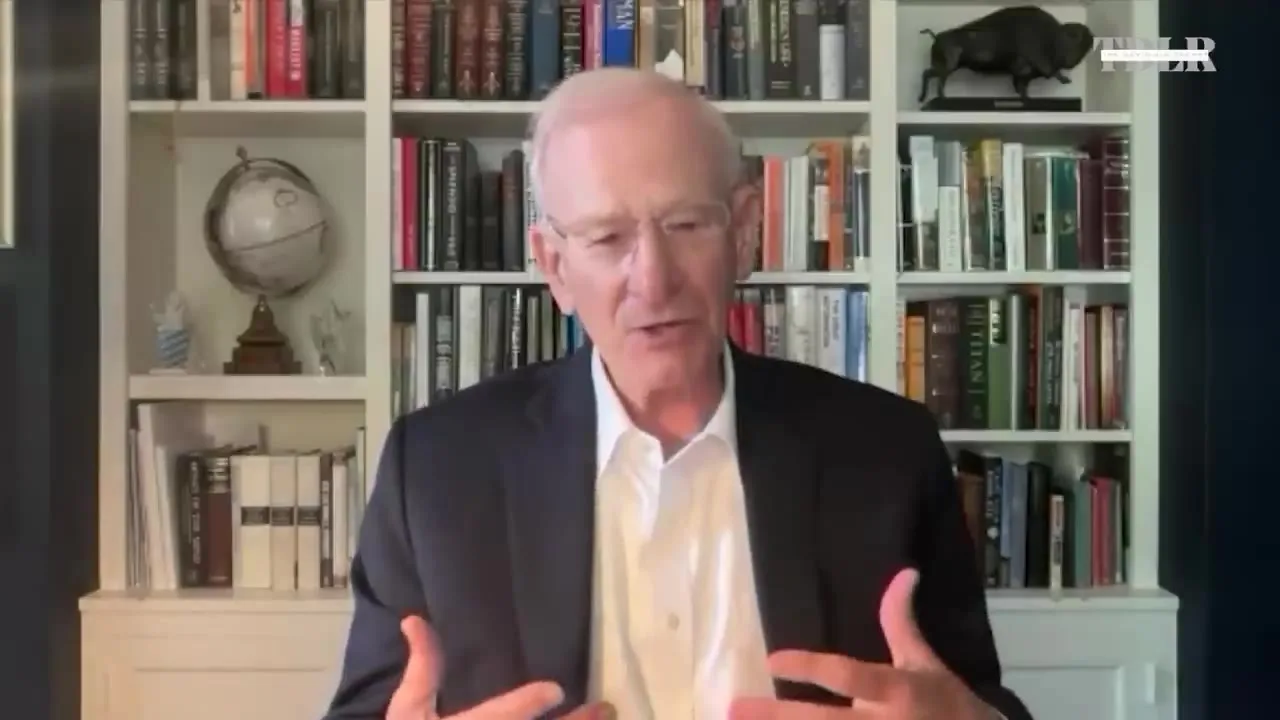
Thomas Hoenig said inflation-adjusted interest rates remain close to zero, arguing that modest monetary tightening and gradual policy normalization are needed to bring inflation back to 2%.
With inflation near 4%, Hoenig said monetary policy remains accommodative despite nominal borrowing costs. Returning inflation to target requires a moderately restrictive stance, he argued.
In an October 28 interview with David Lin, Hoenig, a senior fellow at the Mercatus Center and former president of the Kansas City Fed, pointed to a short-term policy rate target of 3.5–4% against inflation of about 4%. That combination, he said, leaves policy insufficiently restrictive to restore price stability.
Hoenig cautioned against assessing monetary restraint through nominal rates alone. He described real rates as “almost zero” and said a moderately restrictive policy would be more appropriate. He also argued that 2% growth was not particularly impressive for the United States given the economy’s capacity.
Asked whether falling oil prices could leave monetary policy excessively tight, Hoenig said that risk appeared limited at current interest and inflation rates. Near-zero real rates hardly constituted extreme restraint, he said.
Hoenig attributed the delayed return to the inflation target partly to fiscal stimulus. He said Jerome Powell had pursued a soft landing through gradual disinflation but underestimated the strength of government spending following COVID and efforts to bring industrial production back to the United States. In his assessment, the problem was a miscalculation of those forces rather than an unwillingness to reduce inflation.
He also warned that prolonged ultralow rates distort resource allocation. Recalling 2010, Hoenig said improving industrial production, gross domestic product and employment conditions had provided an opportunity to normalize policy carefully. Keeping rates artificially below neutral encouraged speculation, favored borrowers over savers and sent unnecessary signals to markets, he argued.
Hoenig said normalization should proceed gradually while the economy is recovering. Raising rates from zero to 1% in 2010 would still have left borrowing costs low enough to support recovery, he said, while sales of some Federal Reserve mortgage-backed securities could have reduced its balance sheet. Allowing a large, complex economy to settle around zero rates, he warned, could make the eventual return to more normal conditions disruptive.
Riza Dagoc
Riza Dagoc reports on regulation, investing and the digital-asset business for TokenPost. Send corrections or tips to info@tokenpost.com.