
 Add as a preferred source on Google
Cramer Says Oil Drop Lifted Monday’s Broad Stock Rally, Warns Gains May Fade
Brent crude fell 7.63% to $104.77 a barrel, while the 10-year Treasury yield touched its lowest level since Sept. 10.

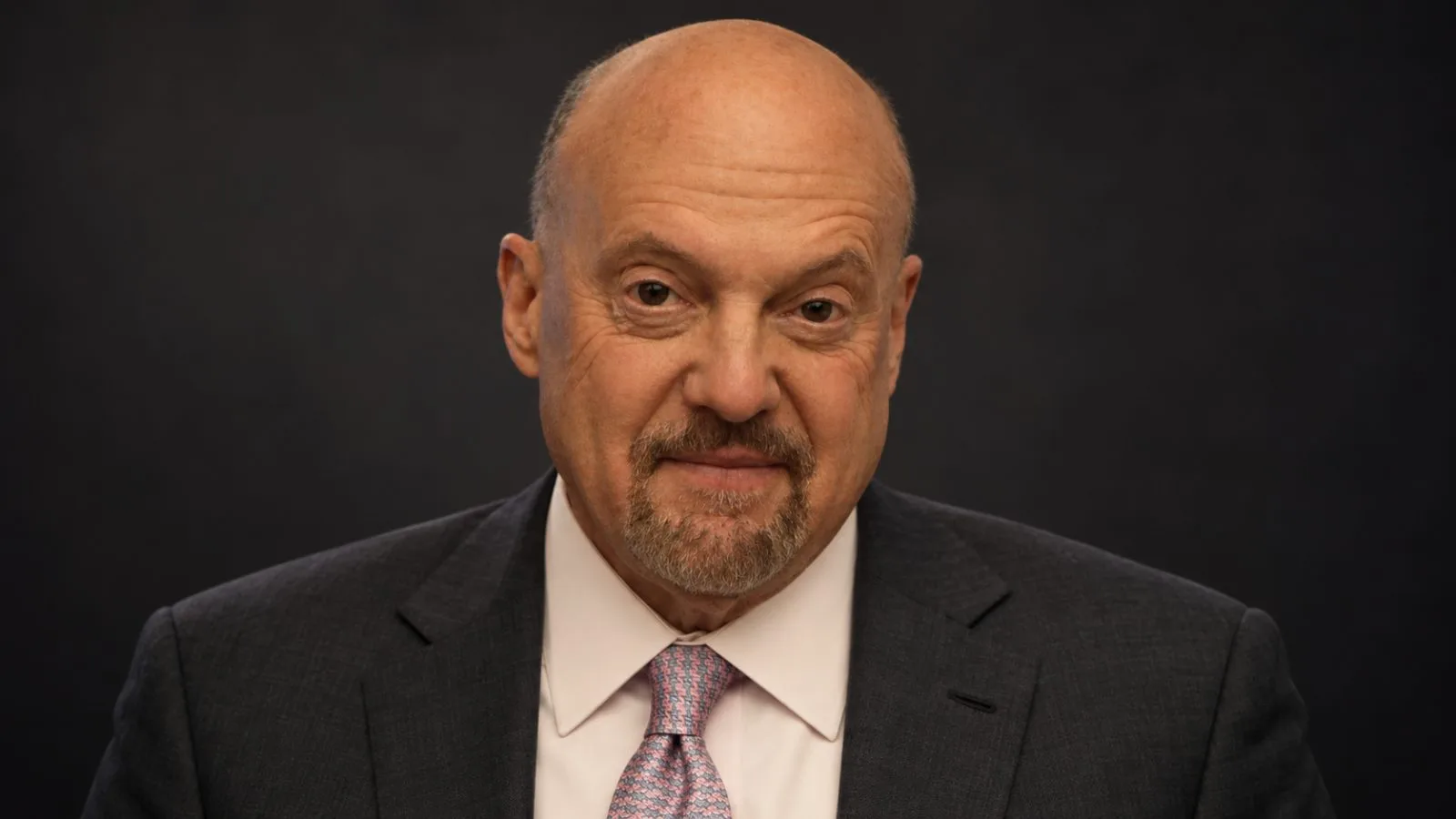
Jim Cramer said a sharp drop in crude oil and lower Treasury yields helped drive Monday’s broad stock rally, while cautioning that the concentrated buying may not hold.
Brent crude lost 7.63% on Monday, ending at $104.77 a barrel. The benchmark 10-year Treasury yield also slipped to a level last seen on Sept. 10. The combination supported gains across health care, financial, retail and travel shares.
Cramer said investors have begun looking beyond technology for growth and giving renewed attention to companies whose strong earnings were initially overlooked. He cast the relationship among energy costs, inflation and borrowing rates as a key influence on stocks, saying, “Never forget what this market’s really about: oil, inflation and interest rates.”
Medical device companies advanced. Medtronic gained 3%, GE HealthCare rose 4% and Intuitive Surgical added 1%. Cramer described such companies as potential growth alternatives as investors shift attention away from technology stocks.
Amazon climbed 2% after its shares had initially struggled following the company’s quarterly results last week. Cramer said the results were stronger than investors first recognized and that lower rates helped improve the stock’s appeal. Waste Management rose 1.8% as investors turned their attention to its recent earnings results.
Financial and consumer shares also moved higher. Capital One rose 3% after concerns about gasoline costs and consumer loan delinquencies had weighed on the stock last week. Walmart and Costco each gained about 3%. Cramer said lower borrowing costs and fuel prices could leave consumers with more money to spend at retailers.
Cramer cautioned that the pace of the advance may be hard to maintain, saying, “They aren’t sustainable,” as money flowed into stocks at the same time.
The rally followed Cramer’s Oct. 27 assessment that the S&P 500’s advance lacked conviction amid moves in oil prices and Treasury yields. His earlier view of that S&P 500 advance also focused on those forces shaping investor sentiment.
Enna Lee
ReporterEnna Lee reports on investing and digital-asset markets for TokenPost. Send corrections or tips to info@tokenpost.com.