

 News
News  Coin Information
  About us
  Customer Service


 Add as a preferred source on Google

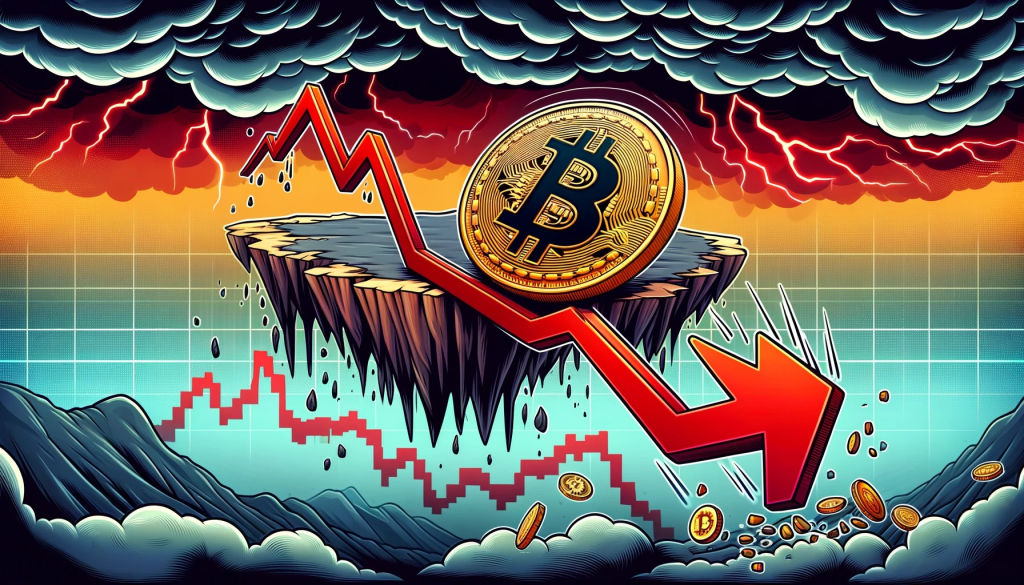
Bitcoin surged past $70,000 this week as global markets reacted to rising geopolitical tensions linked to the escalating conflict between the United States and Iran. Despite the rally, long-time Bitcoin critic Peter Schiff renewed his warning that the cryptocurrency’s surge could mislead investors during a period of wartime volatility.
In a recent post on X, Schiff argued that Bitcoin trading above $71,000 may represent a temporary “head fake” rather than the start of a sustained bull run. He urged investors to reduce their Bitcoin exposure and instead allocate funds to traditional safe-haven assets such as gold and silver. According to Schiff, markets currently appear to be pricing in a short and manageable conflict, but he believes the situation could escalate or last longer than expected.
Schiff explained that a prolonged war scenario could put pressure on risk assets, including stocks, bonds, cryptocurrencies, and even the U.S. dollar. At the same time, he expects commodities such as oil and gold to surge if geopolitical instability intensifies. Oil prices have already climbed as the conflict threatens key global energy routes.
Interestingly, the latest market movements have challenged the traditional safe-haven narrative. While gold typically attracts investors during geopolitical crises, the metal has declined recently, while Bitcoin has continued to rise. This unusual divergence has fueled debate among analysts about whether Bitcoin is beginning to act as a modern alternative safe-haven asset.
Other prominent market figures have also weighed in. Billionaire hedge fund manager Ray Dalio questioned comparisons between Bitcoin and gold, noting that Bitcoin lacks central bank backing and offers limited privacy advantages. Dalio also warned that emerging technologies like quantum computing could eventually pose risks to Bitcoin’s security infrastructure.
Meanwhile, Bloomberg ETF analyst Eric Balchunas advised investors not to draw long-term conclusions from short-term market behavior. He pointed out that Bitcoin gained around 12% following Iranian attacks, while gold prices moved lower during the same timeframe. According to Balchunas, shifting market sentiment and trading activity may explain the unusual performance.
On-chain data from CryptoQuant suggests Bitcoin’s recent rally may be a relief bounce following reduced selling pressure in spot markets. Demand contraction has narrowed significantly in 2026, improving from negative 136,000 BTC earlier in the year to roughly negative 25,000 BTC recently.
CryptoQuant also reported that the Coinbase Premium indicator has turned positive, signaling stronger buying activity from U.S. investors. At the same time, selling from traders and long-term holders has slowed considerably. The firm noted that unrealized trader losses have reached levels last seen in July 2022, a condition that historically reduces selling pressure and supports short-term price rebounds.
Long-term holder distribution has also cooled sharply. The 30-day selling pace dropped from about 904,000 BTC in November to roughly 276,000 BTC recently, marking the lowest level since June 2025.
Despite the recent rebound, CryptoQuant still views overall market conditions as bearish. Its Bull Score Index remains low at just 10 out of 100. If Bitcoin continues to climb, analysts identify two major resistance levels ahead, with the first near $79,000 and a stronger barrier around $90,000.


















Comment 0