

 News
News  Coin Information
  About us
  Customer Service



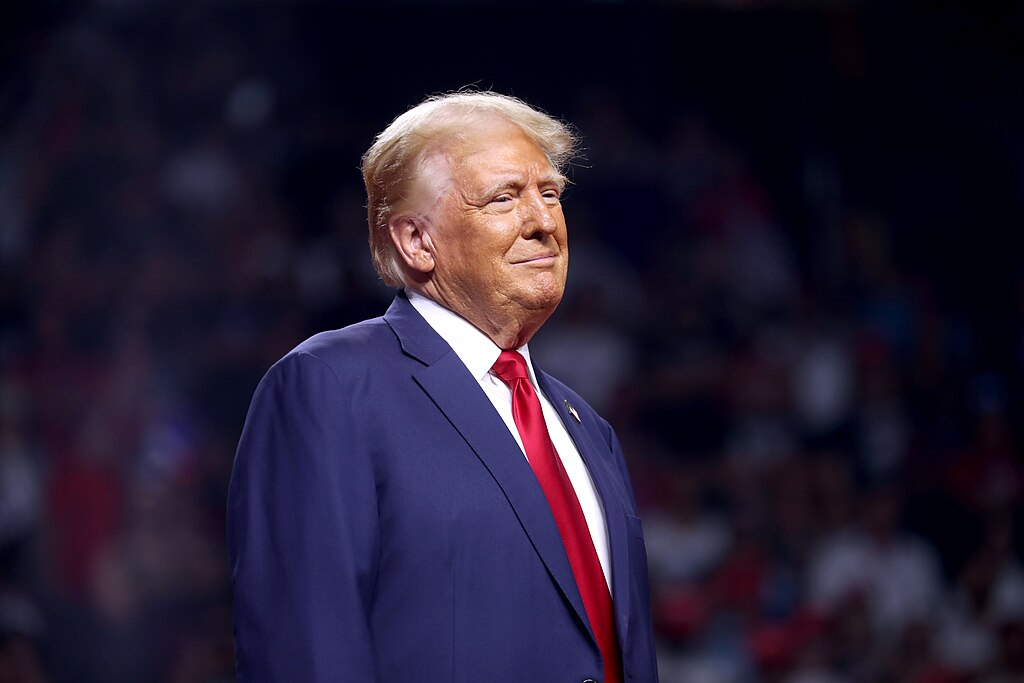
Following President Donald Trump’s financial disclosure reporting roughly $1.4 billion in crypto-related income tied to memecoins in 2025, Senator Kirsten Gillibrand has renewed calls for stricter ethics rules that would prohibit members of Congress, senior government officials, and their spouses from issuing or promoting cryptocurrency memecoins.
Speaking to Bloomberg during the Solana Accelerate conference in Miami, the New York Democrat said stronger conflict-of-interest safeguards should accompany any major crypto legislation before lawmakers move forward with broader regulatory reforms.
Despite the debate, Gillibrand remains optimistic that the CLARITY Act could advance through the Senate Banking Committee within the next two weeks. She noted that Democratic lawmakers are seeking revisions before offering broader support, with negotiations focused on stablecoin yield provisions, anti-money laundering measures, and an ethics clause designed to prevent public officials from creating or endorsing digital assets.
Gillibrand argued that robust ethics standards have become even more important following Trump’s latest financial disclosure. According to the senator, government officials should not be in positions where personal financial interests could influence decisions affecting the cryptocurrency industry. The issue has become a key point in ongoing discussions surrounding U.S. digital asset regulation.
The renewed scrutiny follows Trump’s disclosure of approximately $1.4 billion in crypto income. The President launched the $TRUMP memecoin shortly before his second inauguration, and the token quickly became one of the most talked-about cryptocurrency projects. Reports indicate the venture generated hundreds of millions of dollars for entities linked to the Trump family.
While the project proved highly profitable for its creators, many investors suffered significant losses as the $TRUMP token has fallen about 97% from its peak over the past 18 months.
President Trump has defended the earnings, saying the profits were legal and that independent investment firms manage his financial holdings. He also pointed to the broader market rally, arguing that many investors benefited from rising asset prices. Nevertheless, concerns over potential conflicts of interest continue to shape the debate in Washington as lawmakers consider whether stronger ethics provisions should be incorporated into the CLARITY Act and future U.S. crypto regulations.














Comment 0