Stablecoin Yield Ban Advances in U.S. Crypto Market Structure Bill
A newly released draft of the Digital Asset Market Clarity Act signals a major shift in how stablecoin yield could be regulated in the United States. Lawmakers are moving toward banning stablecoin issuers from offerin…


A newly released draft of the Digital Asset Market Clarity Act signals a major shift in how stablecoin yield could be regulated in the United States. Lawmakers are moving toward banning stablecoin issuers from offering interest-like rewards simply for holding stablecoins, a decision that could significantly reshape the crypto market and its relationship with traditional banking.
The proposed legislation, developed through negotiations between Senators Thom Tillis and Angela Alsobrooks, aims to prevent stablecoin products from functioning like bank deposits. According to the draft language, crypto firms would be prohibited from paying yield or interest—whether in cash, tokens, or other forms—based solely on a user’s stablecoin balance. Policymakers argue that allowing such practices could undermine depository institutions, which play a crucial role in the U.S. financial system.
Despite the restriction, the bill introduces flexibility by allowing rewards tied to genuine user activity. This means crypto platforms may still offer incentives linked to transactions, network participation, or other “bona fide” actions. The distinction suggests a shift from passive “buy and hold” earning models toward more active “use-based” reward systems.
Industry leaders, including Coinbase CEO Brian Armstrong and Chief Legal Officer Paul Grewal, have responded positively to the compromise. They note that the updated language preserves innovation by supporting activity-based rewards while addressing concerns raised by banking regulators. However, companies may need to restructure their existing yield programs to comply with the new framework.
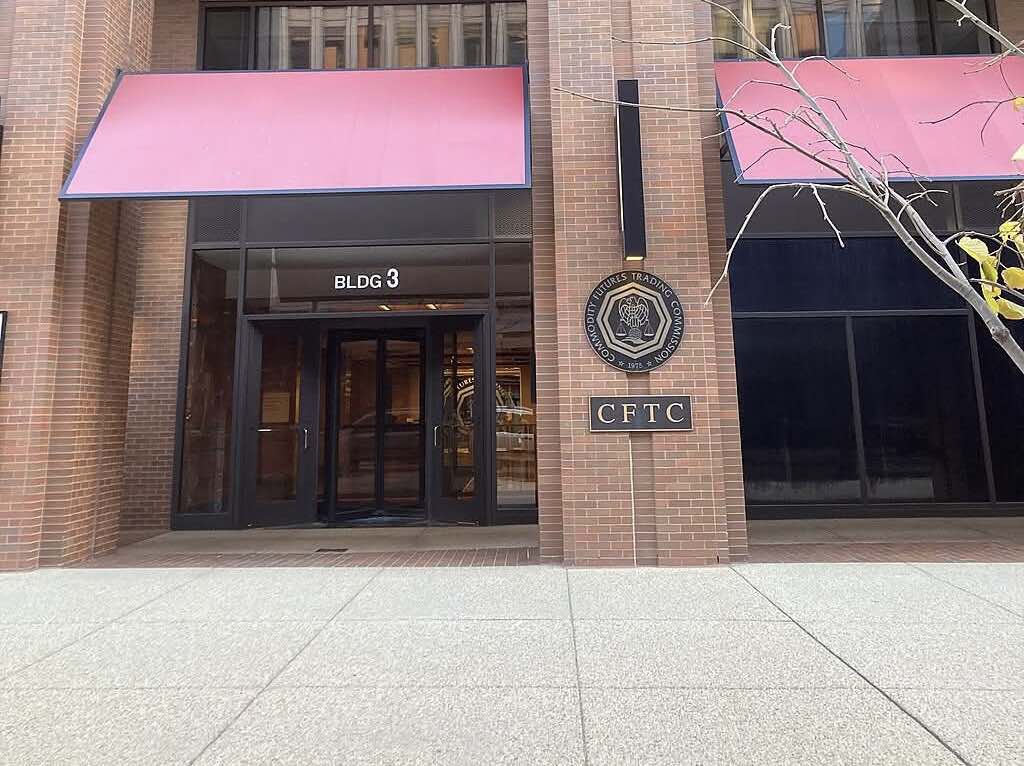
Regulatory clarity is still evolving. The bill directs the U.S. Treasury and the Commodity Futures Trading Commission to establish detailed rules within a year of enactment. These guidelines will define how rewards can be calculated, considering factors such as account balances, duration, and types of user activity.
While some negotiation points remain unresolved, the agreement removes a key barrier to advancing the bill in the Senate. As stablecoin regulation continues to develop, this proposal marks a critical step toward balancing crypto innovation with financial system stability.