

 News
News  Coin Information
  About us
  Customer Service


 Add as a preferred source on Google

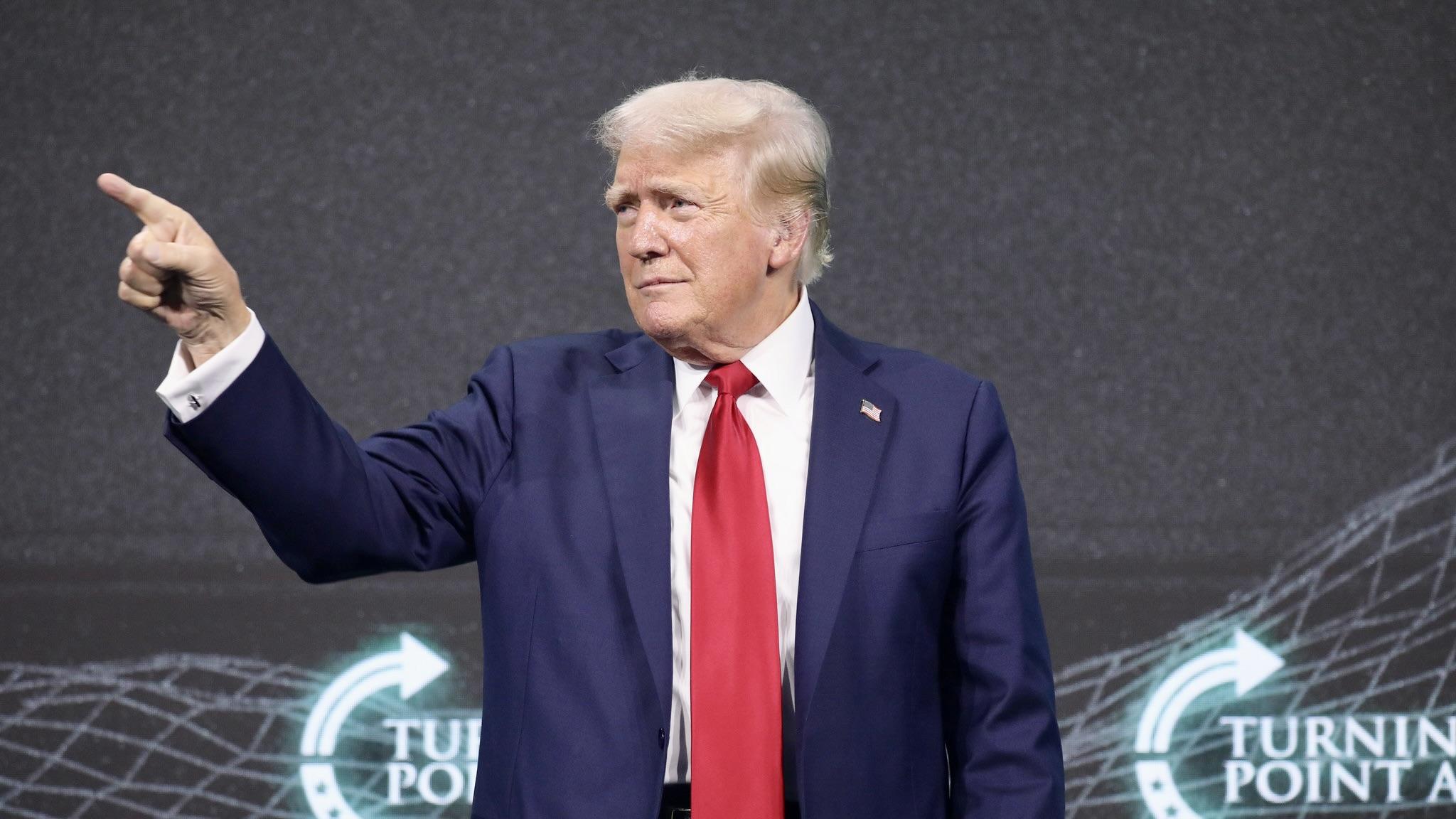
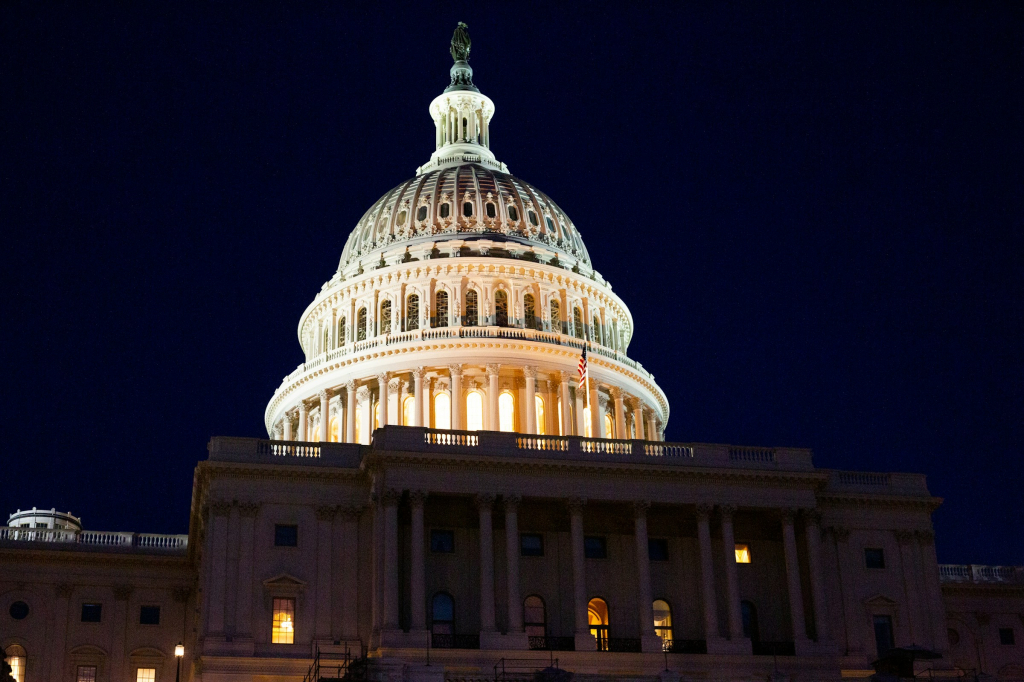
The U.S. Senate has delayed consideration of the Clarity Act, reducing the chances of a vote on the long-awaited crypto market structure bill before next week and leaving lawmakers with only a few legislative days before the August 8 recess. The postponement comes as Senate Republicans shift their focus to advancing President Donald Trump's nominations and a major Russia sanctions bill.
Senate Majority Leader John Thune filed cloture on S.Res. 817, an en bloc package covering dozens of Trump nominees, signaling that confirmations will take priority. The Senate is also scheduled to vote on Jay Clayton's nomination as Director of National Intelligence before turning its attention to H.R. 5334, the legislative vehicle for Senator Lindsey Graham's Sanctioning Russia Act of 2026.
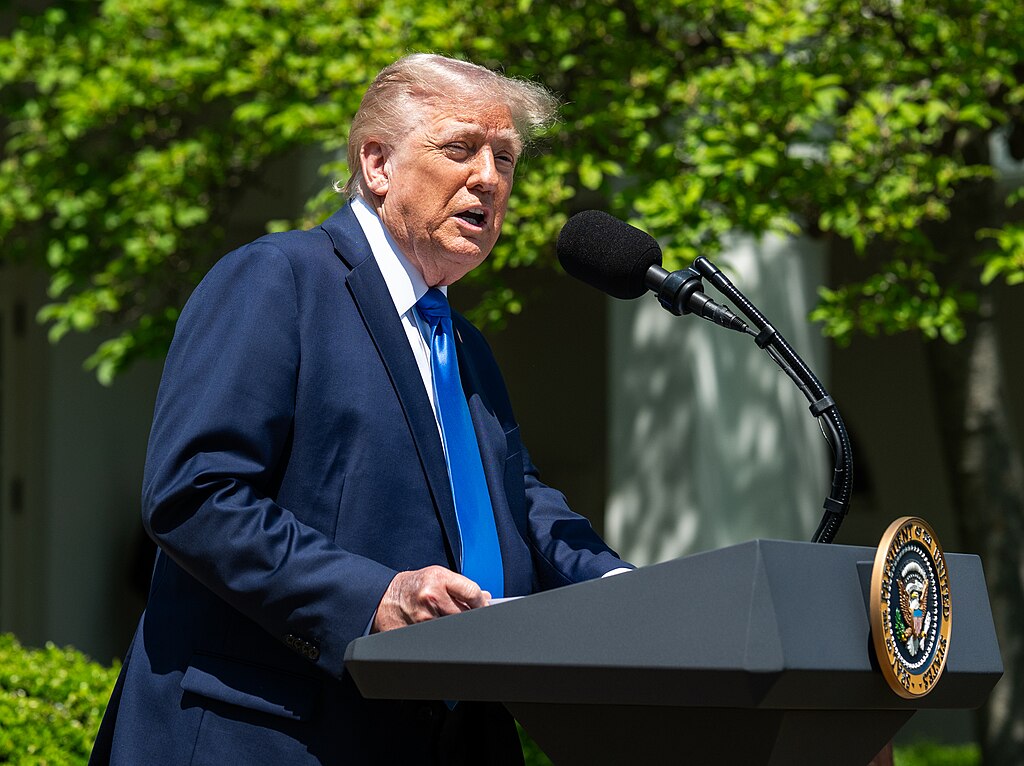
Thune said Senate Republicans are working to confirm nearly all available Trump nominees while advancing legislation central to the Republican agenda. As a result, debate on the Clarity Act has been pushed back once again.
The bill has faced repeated setbacks since reaching the Senate calendar in early June. Negotiations remain stalled over ethics provisions, while concerns from the banking industry regarding stablecoin yield products continue to complicate discussions. Thune acknowledged that several issues, including those raised by banks, are still being addressed as lawmakers seek a fair amendment process.
Opposition from Democrats has also slowed progress. Some lawmakers argue that enforcement of the bill's ethics rules should not rest solely with the Department of Justice and want state prosecutors to retain enforcement authority. Meanwhile, New York Attorney General Letitia James urged Congress to reject the legislation, warning that it could weaken state and local efforts to combat cryptocurrency fraud.
Despite the delays, the crypto industry remains hopeful the Senate will approve the Clarity Act before the August recess. Industry groups warn that another postponement could push comprehensive U.S. crypto regulation into 2027. However, market expectations have weakened, with estimates placing the bill's chances of passing in 2026 below 38%. Even so, major financial firms, including BlackRock, Fidelity, Charles Schwab, Goldman Sachs, and Grayscale, continue to support swift passage of the legislation, arguing it would provide long-awaited regulatory clarity for digital asset markets.











Comment 0