

 News
News  Coin Information
  About us
  Customer Service


 Add as a preferred source on Google

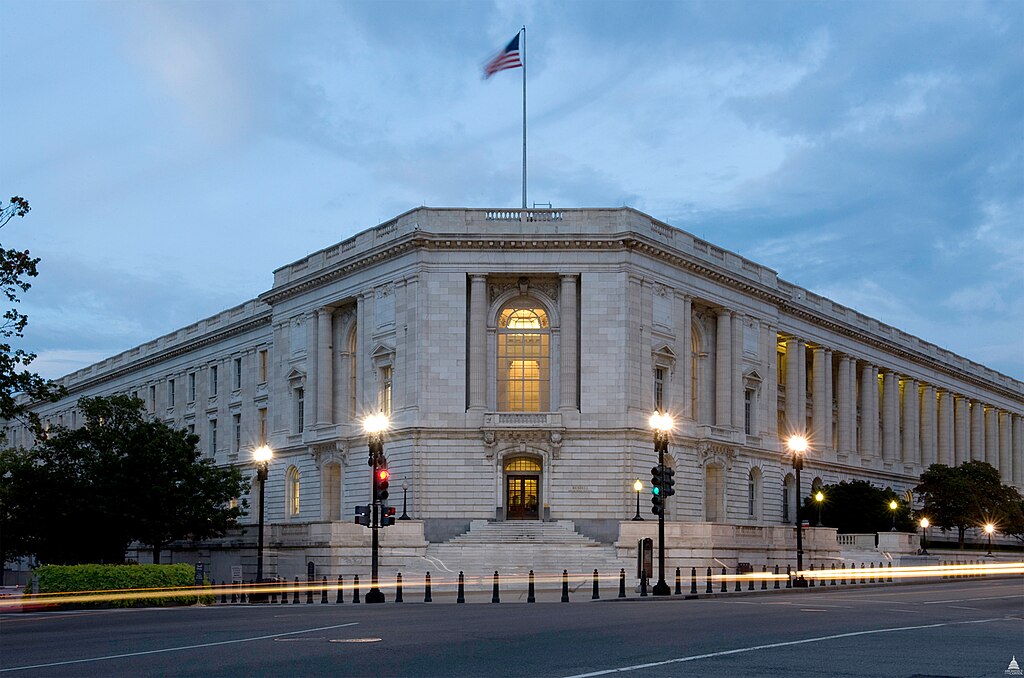
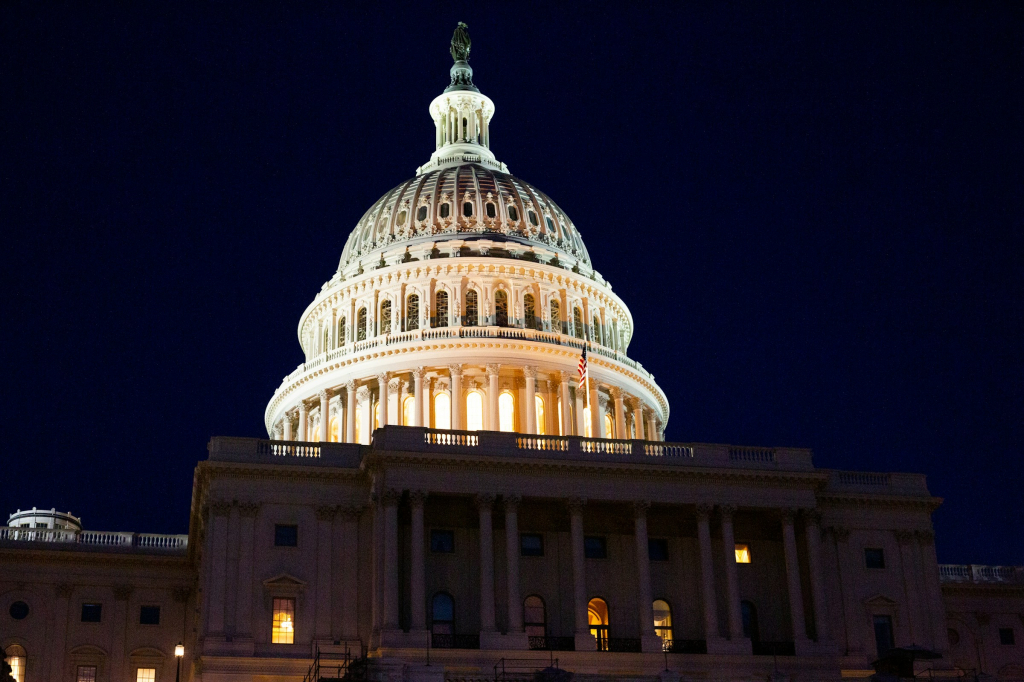
The US Senate is preparing for a potential September vote on the CLARITY Act, but the crypto market structure bill still lacks the support needed to advance.
Senate Majority Leader John Thune reportedly plans to file cloture on the motion to proceed before lawmakers leave for the August recess. The move would set up a procedural vote after the Senate returns in September and signal that Republican leaders remain committed to advancing US crypto regulation.
However, securing the necessary votes remains a major challenge. The CLARITY Act would likely need 60 Senate votes to move forward, meaning Republicans need Democratic support. Some Republican senators have also expressed concerns, further complicating negotiations.
Stablecoin rewards have emerged as a key sticking point. Banking groups are lobbying against provisions that could allow crypto companies to provide rewards tied to stablecoin use, arguing that such incentives could pull deposits away from traditional banks. Crypto firms, including Coinbase, have opposed stricter limits.
Ethics rules are another major obstacle. Democrats are seeking stronger restrictions preventing elected officials from financially benefiting from crypto businesses. The debate has intensified amid scrutiny of President Donald Trump’s crypto interests.
Satoshi Action Fund co-founder Dennis Porter recently said several Republican senators, including Rand Paul, Thom Tillis, Josh Hawley, James Lankford and Bill Cassidy, cannot be considered guaranteed votes. Losing Republican support would increase the number of Democrats needed to advance the legislation.
Prediction markets are increasingly skeptical about the CLARITY Act’s prospects. Polymarket traders currently put the probability of the bill becoming law in 2026 at roughly 16%.
Porter believes markets may have already priced in a legislative failure, potentially limiting the downside for Bitcoin and other cryptocurrencies if the bill stalls. Passage, however, could have a more meaningful long-term effect by providing regulatory clarity and encouraging larger institutional investors to increase their crypto exposure.
September could therefore become a defining moment for US crypto legislation. Senate leaders appear ready to push ahead, but stablecoin rules, ethics concerns and uncertain bipartisan support remain significant barriers to the CLARITY Act’s passage.
















Comment 0