
 Add as a preferred source on Google
Portugal Banks Keep Capital Buffers in Severe Housing Stress Tests
The banking sector’s capital ratio fell to 16.3% in a recessionary scenario from a 17.7% baseline. House prices rose 18% in the year through September 2025.

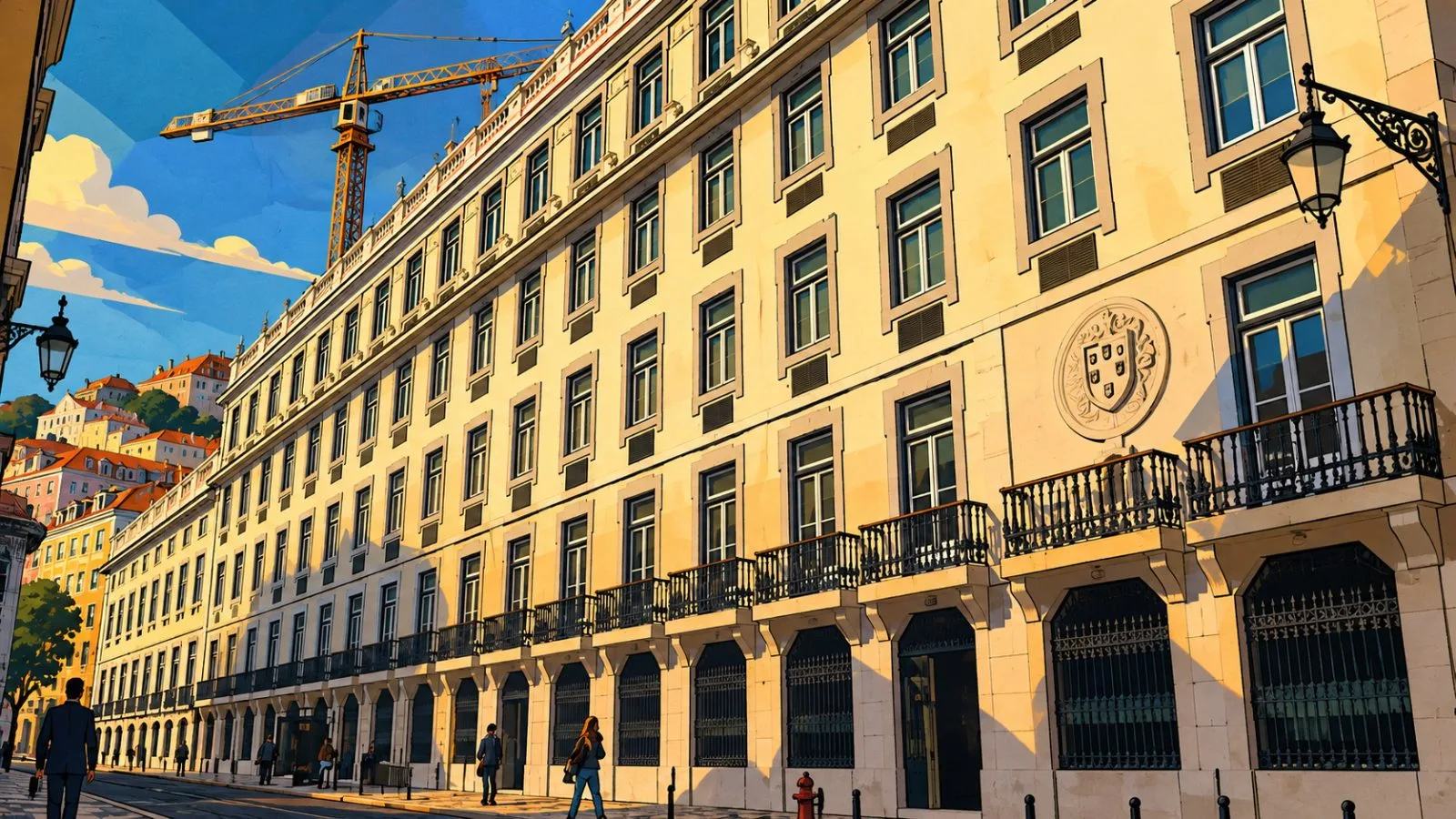
Portuguese banks retained capital buffers in severe stress tests, while rapid house-price growth remains an area for close monitoring.
Banco de Portugal Vice-Governor Clara Raposo made the remarks as she closed a conference on the assessment in Lisbon on Sept. 23, 2026. She said Portugal’s housing-price gains had not been driven primarily by credit expansion and pointed to borrower safeguards and bank capital buffers.
The tests showed the banking sector’s aggregate Common Equity Tier 1 capital ratio falling from a 17.7% baseline to 17.1% in the first year of a geopolitical scenario and 16.3% in a recessionary scenario. The shocks did not deplete any bank’s capital buffers. The scenarios modeled house-price declines of 25% in the geopolitical case and 20% in the recessionary case.
Portuguese house prices rose 169% from 2015 through the end of September 2025, including an 18% increase over the year. The assessment called for close monitoring of the rapid gains.
“Banks have done their homework,” Raposo said. She described resilience as requiring sustained effort from institutions and authorities.
Portugal’s 2026 assessment was its first in 20 years. The review also identified further work on cyber-risk oversight, crisis management and resolution.
Riza Dagoc
Riza Dagoc reports on regulation, investing and the digital-asset business for TokenPost. Send corrections or tips to info@tokenpost.com.