
 Add as a preferred source on Google
Robinhood Must Litigate Sports-Contract Lawsuit After Arbitration Loss
Judge Edward M. Chen ruled that arbitration agreements covered CFTC-regulated contracts but not the sports contracts at issue.

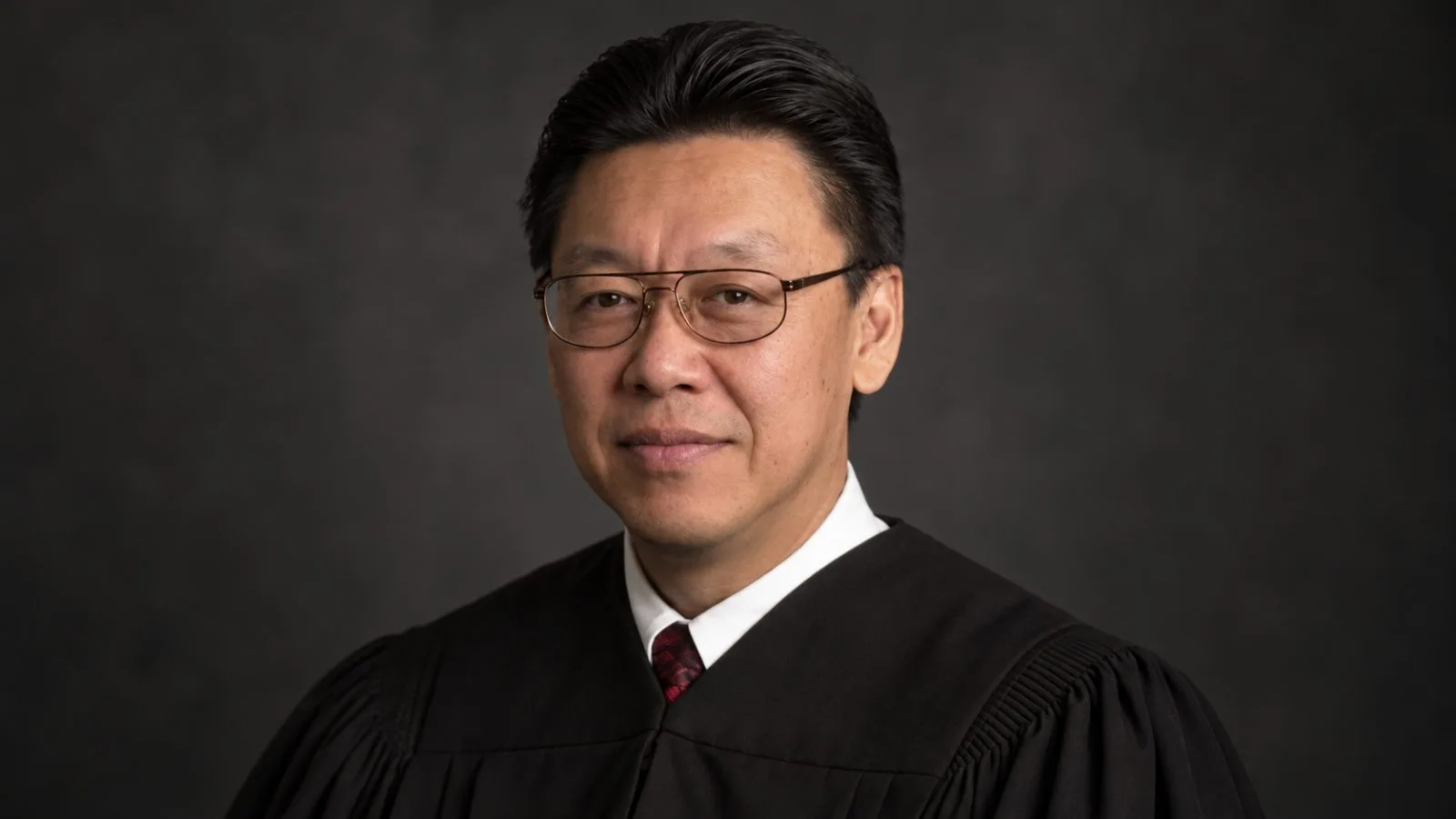
Robinhood must continue litigating a proposed class action in federal court after Judge Edward M. Chen rejected its request to send most of the plaintiffs to arbitration on Nov. 25.
Chen ruled that the arbitration agreements covered disputes involving contracts regulated by the Commodity Futures Trading Commission, or CFTC, but not the sports contracts at issue.
“What the parties agreed to arbitrate were disputes about contracts regulated by the CFTC,” Chen wrote.
Robinhood had asked the Northern District of California to send 10 of 11 named plaintiffs across four consolidated cases to arbitration. The 11th plaintiff, a Michigan resident, did not accept the arbitration agreement.
The plaintiffs seek to recover losses under state gambling laws. They allege Robinhood operated an unlicensed sports gambling program and led customers to believe they were investing through a federally regulated exchange.
Robinhood began offering sports contracts listed by Kalshi in March 2025. The plaintiffs also allege that customers could trade the contracts on margin against their securities portfolios.
Robinhood argued in the litigation that event contracts differ from traditional sports bets because buyers and sellers set prices in a marketplace rather than a company setting the betting line.
The ruling leaves unresolved the wider dispute over whether sports event contracts are federally regulated derivatives or wagers subject to state gambling laws. The U.S. Court of Appeals for the Third Circuit sided with Kalshi in a New Jersey case in April, while the Sixth and Ninth circuits have sided with states.
In August, the Ninth Circuit ruled in Nevada’s case against Kalshi that its sports contracts had characteristics of sports betting. The court also upheld rulings against Robinhood and Crypto.com in separate Nevada proceedings.
Chen did not rule on whether the plaintiffs will ultimately prevail or on their argument that the arbitration agreements were unconscionable. The ruling adds to the unsettled legal dispute over sports contracts.
The parties must file a status report within two weeks addressing the schedule for an amended complaint and whether to pause the case while the Supreme Court considers whether to hear New Jersey’s petition.
Riza Dagoc
Riza Dagoc reports on regulation, investing and the digital-asset business for TokenPost. Send corrections or tips to info@tokenpost.com.