
 Add as a preferred source on Google
CXMT May Still Seek Some ASML DUV Equipment Despite Defense Listing
The Chinese DRAM maker is on the Defense Department’s military-company list but has not been added to the Commerce Department’s Entity List.

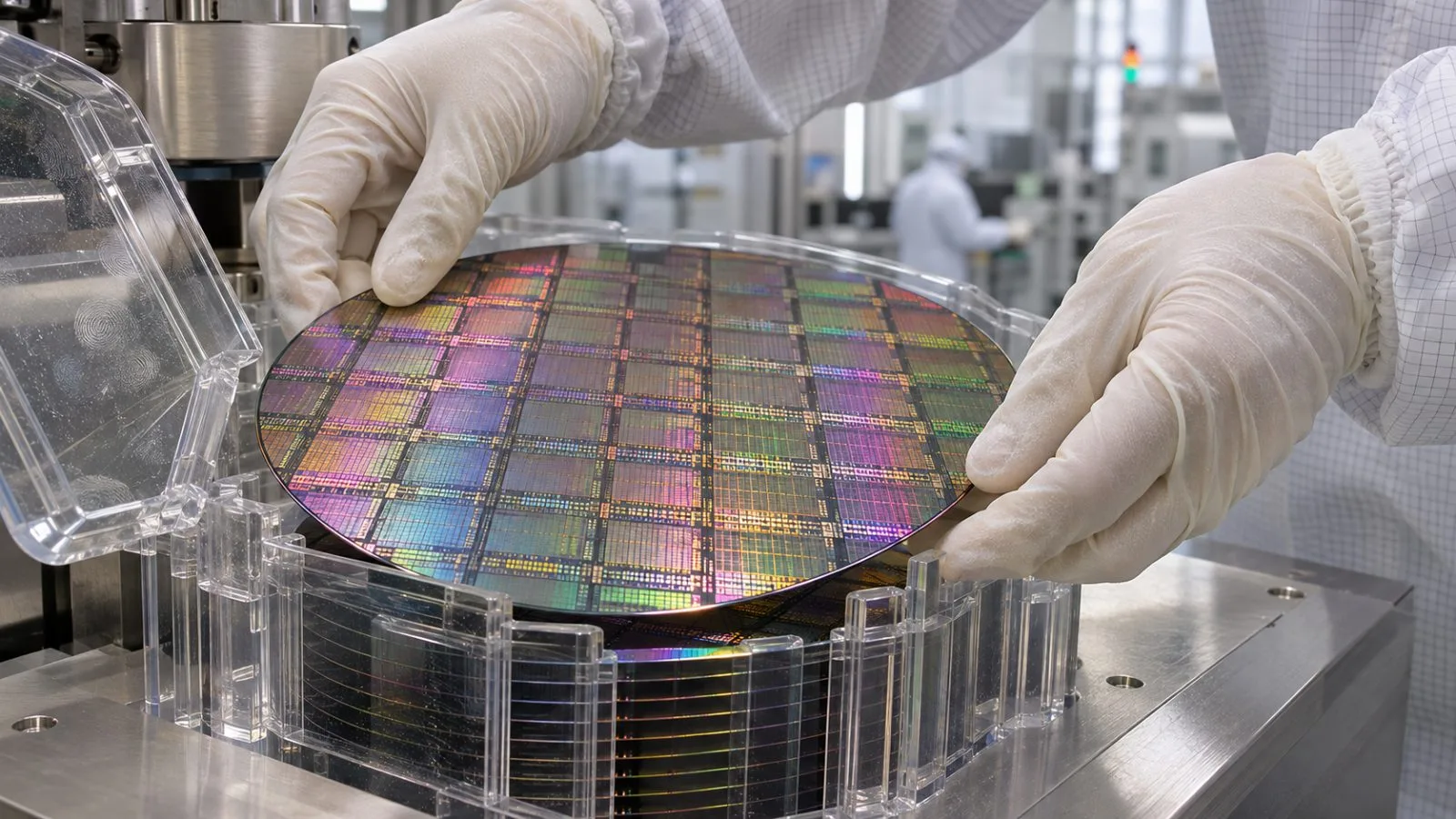
CXMT may still be eligible to obtain some ASML deep ultraviolet lithography equipment because its listing by the U.S. Defense Department does not automatically impose the export restrictions associated with the Commerce Department’s Entity List.
The Defense Department placed CXMT on its military-company list under Section 1260H of the fiscal 2021 National Defense Authorization Act. The list identifies companies considered linked to China’s military or civil-military fusion system.
The Entity List, administered by the Commerce Department’s Bureau of Industry and Security, has a different effect. Companies on the list generally require export licenses for certain goods, software and technology from U.S. companies and suppliers subject to U.S. export controls. Some entities also face a presumption of denial.
CXMT and YMTC were absent from a Defense Department list published Feb. 13, 2026. The department withdrew that version and republished the list June 10, again including CXMT and YMTC.
That distinction means CXMT is not automatically barred from seeking some ASML equipment. ASML is the only company that commercially supplies extreme ultraviolet lithography systems and is also a major supplier of deep ultraviolet equipment. Immersion DUV systems are used to manufacture more advanced chips and remain important to China’s semiconductor industry.
U.S. and Dutch export controls do not prohibit all DUV equipment sales to China. In an announcement dated Sept. 6, 2024, ASML said the Dutch government would handle licensing for certain immersion DUV systems, including the TWINSCAN NXT:1970i and NXT:1980i. The NXT:2000i and later models were already subject to Dutch licensing requirements.
The issue has drawn renewed attention in Washington. Republican Sen. Tom Cotton wrote to Commerce Secretary Howard Lutnick on Nov. 12, 2026, urging the Commerce Department to place CXMT on the Entity List.
Cotton described CXMT as a Chinese government-subsidized DRAM manufacturer linked to China’s civil-military fusion strategy. He said the company could threaten U.S. economic interests and military advantages, and pointed to its efforts to enter the HBM3E high-bandwidth memory market.
Congress has also introduced the Multilateral Alignment of Technology Controls on Hardware Act, or MATCH Act. The proposal would seek more coordinated export controls among the United States, the Netherlands and Japan, including restrictions on immersion DUV equipment.
The companies named in the proposed restrictions include CXMT, YMTC, SMIC, Huawei and 華虹. The debate follows an earlier proposal to restrict ASML’s DUV sales to China.
Riza Dagoc
Riza Dagoc reports on regulation, investing and the digital-asset business for TokenPost. Send corrections or tips to info@tokenpost.com.