
Vitalik Buterin Unveils Lean Ethereum Roadmap Focused on Quantum Security and Scalability
Ethereum co-founder Vitalik Buterin has shared new insights into Lean Ethereum, a long-term roadmap designed to rebuild nearly every major component of the Ethereum blockchain over the next three to four years. Follow…

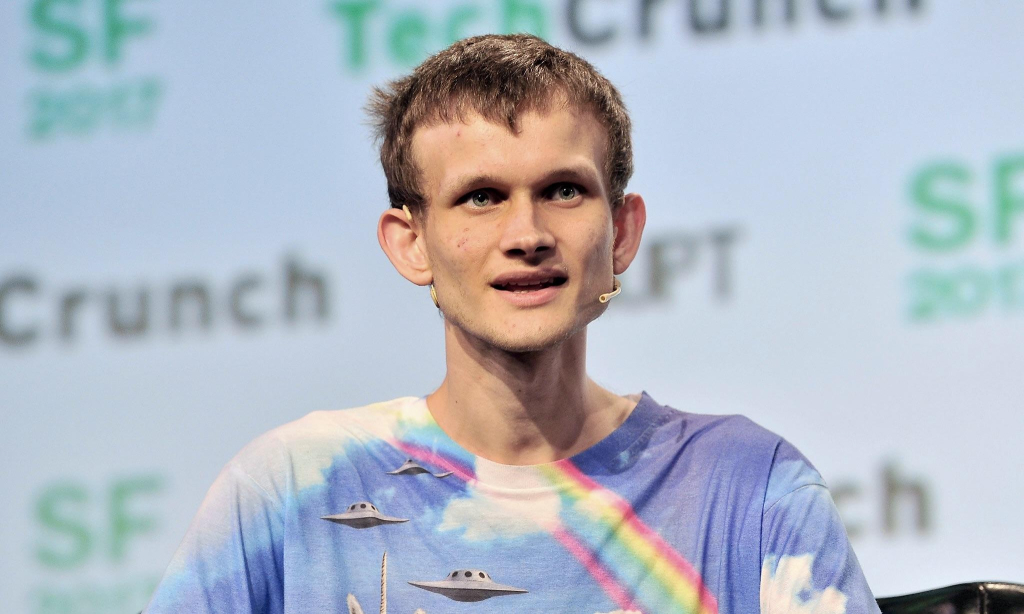
Ethereum co-founder Vitalik Buterin has shared new insights into Lean Ethereum, a long-term roadmap designed to rebuild nearly every major component of the Ethereum blockchain over the next three to four years. Following recent research meetings, Buterin described the initiative as Ethereum’s third major evolution after the 2022 Merge, aiming to modernize the network while minimizing disruption for existing decentralized applications.
Originally introduced in July 2025, Lean Ethereum is built around advanced cryptography and a redesigned architecture intended to improve scalability, security, and privacy. In his latest update, Buterin revealed a revised roadmap that elevates quantum resistance to one of Ethereum’s highest priorities. The network plans to replace all quantum-vulnerable cryptographic systems with quantum-safe alternatives, including redesigning the low-cost data storage relied upon by Ethereum layer-2 rollups.
Privacy has also become a core objective. Instead of treating privacy as an optional feature, Ethereum intends to build protocol components that support private, intermediary-free transactions by default.
Another major upgrade involves transaction verification. Rather than requiring every node to process every transaction independently, Ethereum plans to adopt recursive STARKs, a cryptographic proof system that enables nodes to verify compact proofs instead of repeating the entire computation. This approach is expected to improve network efficiency while reducing hardware demands.
Buterin also highlighted changes to Ethereum’s blockchain state, the network’s complete record of account balances, smart contracts, token ownership, and other on-chain data. As this state continues to expand, operating a node becomes increasingly expensive. Lean Ethereum proposes limiting growth in the existing dynamic state while introducing more scalable storage models capable of supporting more than 100 terabytes of data by 2030 without placing the same burden on every validator.
Looking further ahead, Ethereum may eventually move beyond the Ethereum Virtual Machine (EVM), with the open-source RISC-V architecture emerging as a leading candidate for its next-generation execution layer.
The roadmap also outlines gradual increases in transaction capacity, larger data limits, and faster block times. Buterin expects the upcoming Glamsterdam upgrade to deliver a significant performance boost, while the following Hegotá fork could be Ethereum’s final upgrade before the Lean Ethereum era officially begins. The announcement comes as ETH climbed more than 12% over the past week to around $1,777, according to CoinDesk data.
Riza Dagoc
Riza Dagoc reports on regulation, investing and the digital-asset business for TokenPost. Send corrections or tips to info@tokenpost.com.