
 Add as a preferred source on Google
Concentrated Withdrawals Can Expose Crypto Users to Address Poisoning
Spoofed wallet entries may copy the first and last four characters of a legitimate address and appear in transaction history.



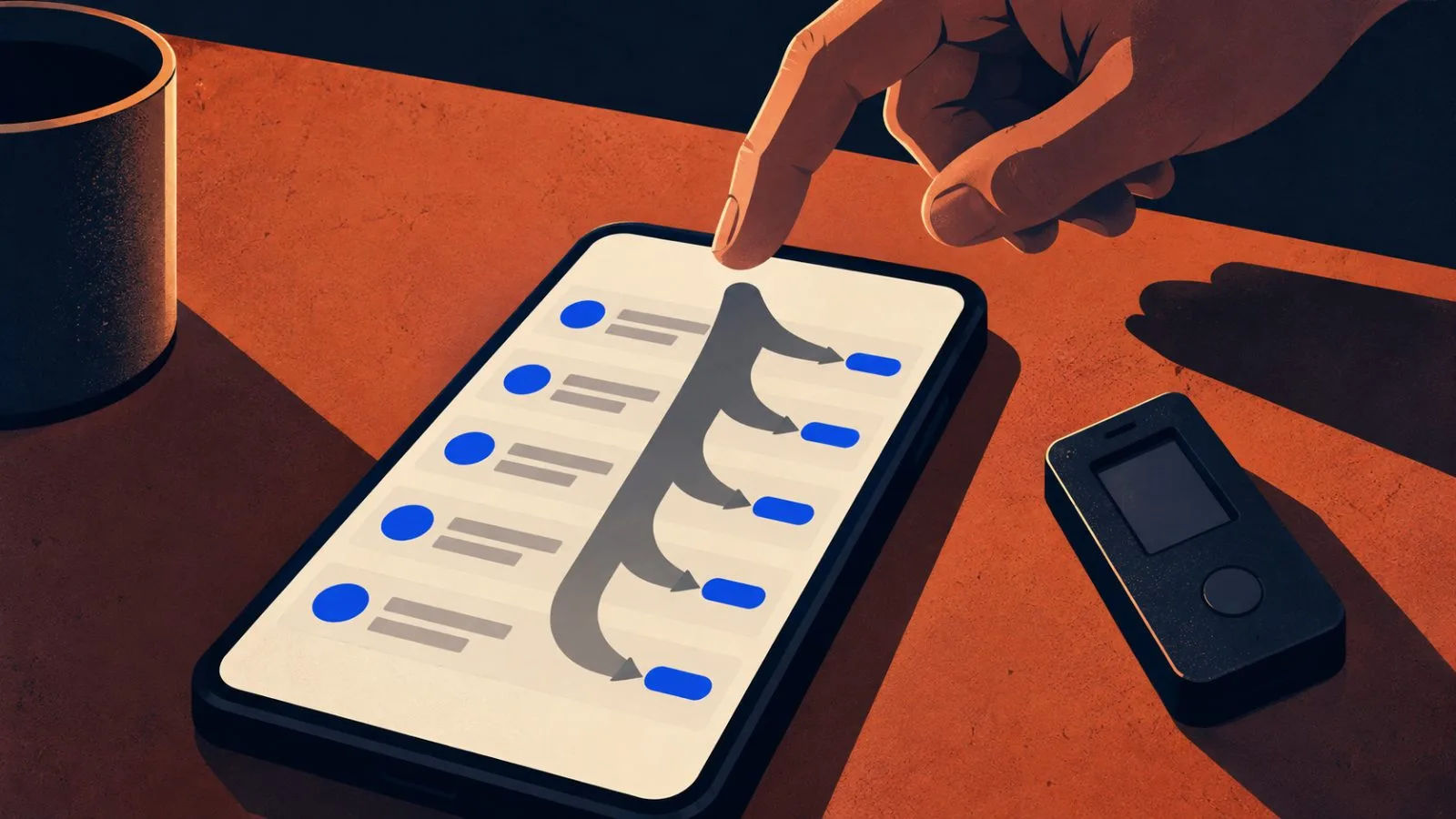
Address-poisoning scams exploit transaction histories to steer crypto users toward a wallet address that resembles the intended destination. The risk may rise when many users withdraw assets from exchanges to personal cold wallets at the same time.
Attackers may target public addresses or wallets with recent activity by sending repeated transfers from look-alike addresses. A fake entry can share the first and last four characters with the intended wallet, while clipboard malware may alter an address during copy and paste.
Before withdrawing, users should compare the entire destination address with the intended address two or three times, making each check independently. They should avoid history auto-fill, recent transaction lists and clipboard contents when entering the address.
TokenPost previously covered an address-poisoning attack after a Compound withdrawal involving a swap of about $2 million worth of Dai (DAI) for 825.5 Ether (ETH).
Simon Yoon
ReporterSimon Yoon reports on blockchain technology for TokenPost. Send corrections or tips to info@tokenpost.com.