

 News
News  Coin Information
  About us
  Customer Service


 Add as a preferred source on Google

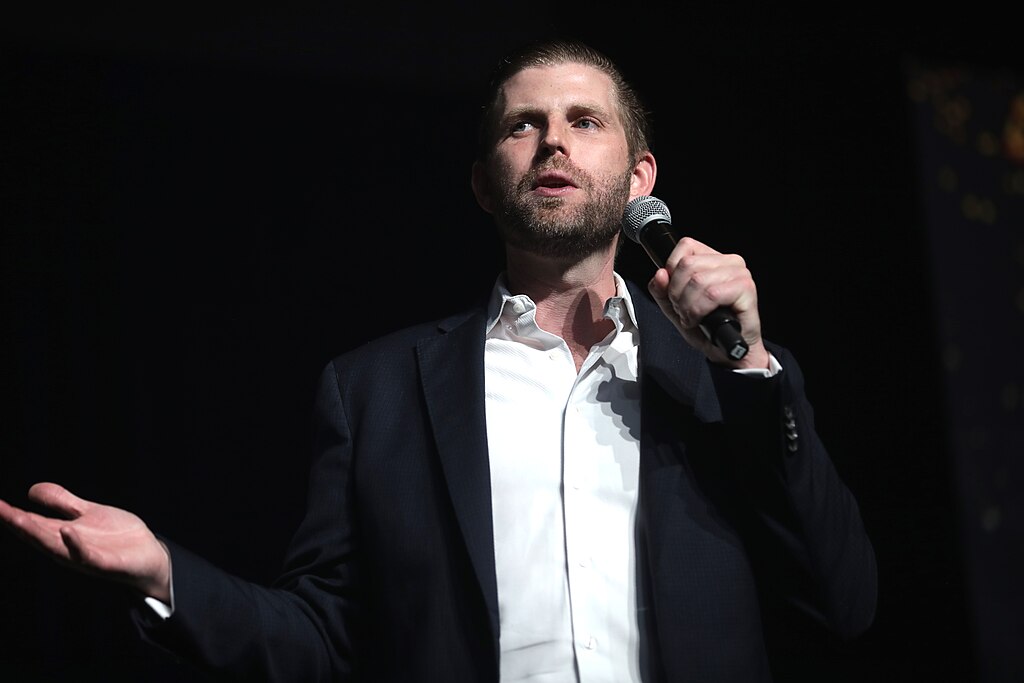
A crypto company connected to U.S. President Donald Trump, World Liberty Financial Inc., once again became the center of political debate during a congressional hearing focused on banking regulation, stablecoins, and cryptocurrency oversight.
The discussion intensified when Representative Gregory Meeks questioned Comptroller of the Currency Jonathan Gould about the Office of the Comptroller of the Currency's review of World Liberty’s application for a national trust-bank charter. Meeks asked whether Gould was acting on behalf of the American public or serving as a political ally of Trump.
Gould firmly rejected the criticism, stating that the only political pressure he had experienced came from Democratic lawmakers, including Senator Elizabeth Warren. He emphasized that the OCC would evaluate the application according to federal banking laws and regulatory standards. Gould also noted that the agency is following all applicable ethics requirements while reviewing World Liberty Trust Company’s charter request.
Democrats have continued raising concerns about World Liberty Financial’s relationships with foreign investors and cryptocurrency partners, including Binance. Critics argue that these connections, along with the company’s ties to the Trump family, create potential conflicts of interest and raise questions about its suitability for a U.S. banking charter.
The hearing also highlighted the implementation of the Guiding and Establishing National Innovation for U.S. Stablecoins (GENIUS) Act. Federal Deposit Insurance Corporation Chairman Travis Hill announced that regulators are preparing additional rules that would require stablecoin issuers to establish customer identification programs aimed at strengthening compliance and financial security.
National Credit Union Administration Chairman Kyle Hauptman praised stablecoins, arguing that the technology could improve payment efficiency by enabling faster transactions, including government payments and emergency financial assistance.
However, Representative Brad Sherman criticized the concept, warning that stablecoins could encourage tax avoidance and challenge traditional financial systems. Sherman also urged regulators to ensure that stablecoin issuers do not circumvent legal restrictions on paying interest to token holders.
The hearing additionally addressed the Federal Reserve’s approval of a limited master account for cryptocurrency exchange Kraken. Federal Reserve Vice Chair for Supervision Michelle Bowman explained that the approval provides restricted access to the U.S. payments system for an initial 12-month period. According to Bowman, regulators will closely monitor the arrangement as they develop future policies governing crypto firms’ access to Federal Reserve payment services.
The developments underscore the growing intersection of cryptocurrency regulation, stablecoin adoption, banking charters, and political oversight as U.S. regulators shape the future of the digital asset industry in 2026.

















Comment 0