

 News
News  Coin Information
  About us
  Customer Service


 Add as a preferred source on Google

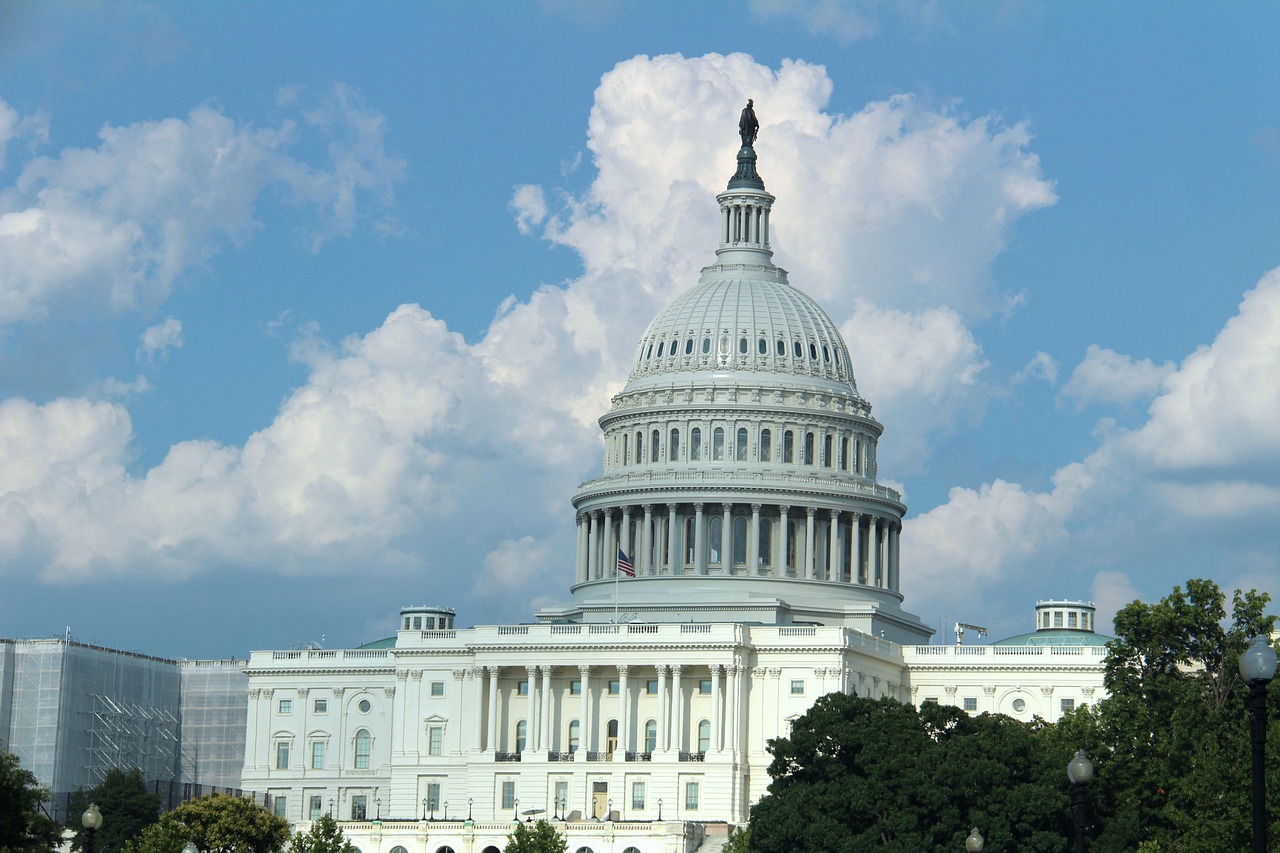
As the U.S. Senate moves closer to passing the Digital Asset Market Clarity Act (Clarity Act), leaders across the cryptocurrency industry are urging lawmakers to preserve one of its most important provisions: protections for blockchain developers under the Blockchain Regulatory Certainty Act (BRCA).
In a rare display of unity, crypto founders, CEOs, and investors have joined together to warn Senate leaders against weakening the BRCA. While these companies often compete for talent, capital, and market share, they agree that protecting software developers is essential to maintaining America's leadership in blockchain innovation and digital assets.
The BRCA establishes a clear legal distinction for developers who create open-source software, operate blockchain nodes, or validate transactions without taking custody or control of customer funds. Under the provision, these individuals would not be classified as money transmitters under federal law. This clarity is critical because developers build the infrastructure that powers cryptocurrencies, decentralized finance (DeFi), and blockchain networks.
Supporters argue that software developers should not be treated like financial intermediaries when they never handle user assets. Existing FinCEN guidance already recognizes that providing software or network tools does not automatically make someone a money transmitter. The BRCA would reinforce this principle and provide much-needed regulatory certainty.
The issue has become increasingly important as enforcement actions against blockchain developers have raised concerns throughout the industry. High-profile cases, including the prosecution of Tornado Cash developer Roman Storm, have fueled fears that unclear regulations could discourage innovation and drive talent overseas.
Data suggests this trend is already underway. The United States' share of global open-source crypto developers has reportedly fallen from 38% in 2015 to about 19% today. Industry advocates warn that losing developers means losing jobs, tax revenue, investment, and technological leadership to competing jurisdictions such as Singapore and the United Arab Emirates.
Importantly, the BRCA does not weaken anti-money laundering laws or protections against fraud, sanctions evasion, terrorism financing, or other criminal activities. Entities that custody customer assets would remain fully subject to existing compliance requirements.
The developer protections also enjoy bipartisan backing. Senators Cynthia Lummis and Ron Wyden support the measure in the Senate, while Representatives Tom Emmer and Ritchie Torres champion it in the House. Advocates argue that preserving these protections will help create a balanced regulatory framework that encourages innovation while maintaining strong oversight.
As lawmakers finalize the Clarity Act, supporters believe keeping the BRCA intact is essential. Without clear protections for software developers, the United States risks pushing blockchain innovation abroad and surrendering its competitive advantage in the rapidly evolving digital asset economy.



















Comment 0