

 News
News  Coin Information
  About us
  Customer Service


 Add as a preferred source on Google

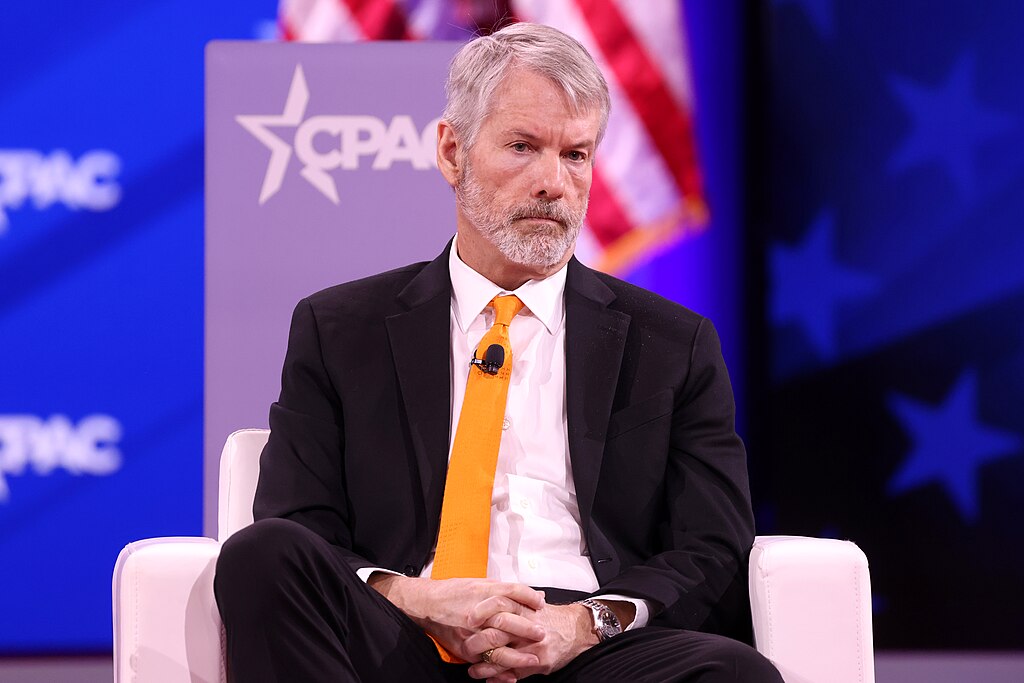
Michael Saylor has weighed in on the recent setback for the CLARITY Act, arguing that the Senate’s failure to advance the crypto legislation does not mark the end of progress for Bitcoin or the broader digital asset industry.
The development has added to negative sentiment across the cryptocurrency market, but Saylor maintained that U.S. regulators still have tools available to provide greater regulatory certainty. He called on the Securities and Exchange Commission (SEC), Commodity Futures Trading Commission (CFTC) and U.S. Treasury to continue developing crypto rules under existing laws.
According to Saylor, Bitcoin and other digital assets can continue expanding even without immediate congressional action on the CLARITY Act. He suggested that the SEC and CFTC could use their existing authority to establish clearer guidelines for cryptocurrency companies, investors and financial institutions.
Saylor also highlighted the potential role of traditional banks in accelerating Bitcoin adoption. He expects financial institutions to expand Bitcoin custody services and increasingly offer loans backed by BTC as the asset becomes more integrated with mainstream finance.
Greater participation from banks could strengthen Bitcoin’s connection with the traditional financial system and provide investors and businesses with additional ways to access and use the cryptocurrency. In Saylor’s view, this development does not necessarily depend on Congress passing comprehensive crypto market structure legislation.
He also pointed to the GENIUS Act as another potential catalyst for the digital asset industry, particularly for stablecoin adoption. Progress on stablecoin regulation could allow one segment of the U.S. crypto market to advance even as broader market structure legislation faces delays.
Saylor’s comments suggest that he views the CLARITY Act setback as a delay rather than a barrier to cryptocurrency adoption. With regulatory agencies potentially acting under existing authority and banks expanding their involvement in Bitcoin services, he believes the U.S. digital asset ecosystem still has multiple avenues for growth.













Comment 0