

 News
News  Coin Information
  About us
  Customer Service


 Add as a preferred source on Google

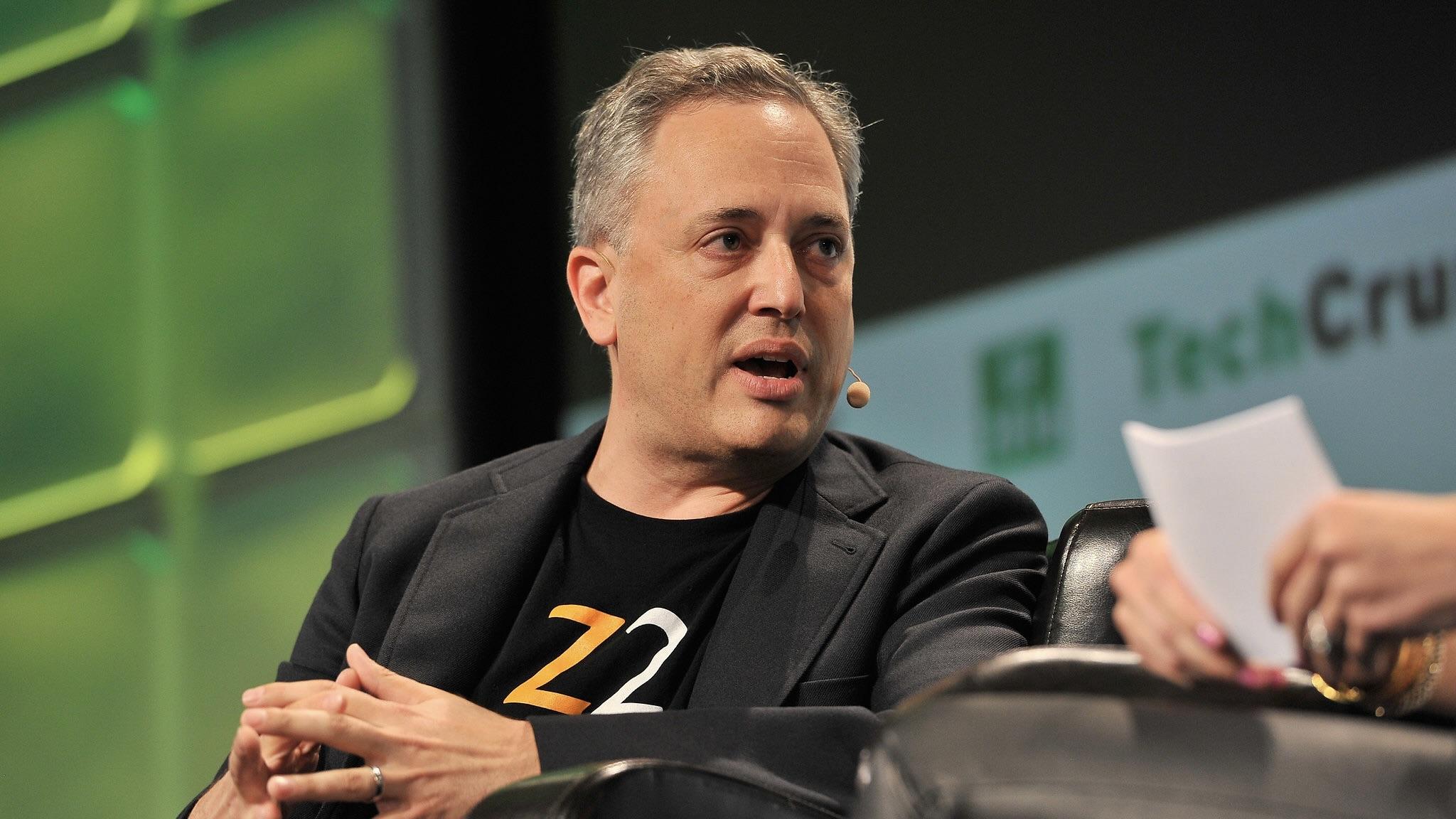
David Sacks, who served as the White House's artificial intelligence and cryptocurrency czar under President Donald Trump, is transitioning into a new role as co-chair of the President's Council of Advisors on Science and Technology, commonly known as PCAST. The move was confirmed Thursday via a post on X, formerly Twitter.
Sacks had been a central figure in shaping the administration's early crypto policy, including contributing to the development of the stablecoin-focused GENIUS Act and ongoing efforts around a broader crypto market structure bill. His original czar designation came with a legal constraint — as a "special government employee," he was capped at 130 working days in the position, a limitation that had already drawn scrutiny from Democratic lawmakers who questioned whether he had exceeded that threshold last fall.
The PCAST co-chair position carries no such restriction, allowing Sacks to continue influencing federal technology policy without the same legal time limits. In a Thursday interview with Bloomberg, Sacks outlined the council's focus areas, which include artificial intelligence, quantum computing, and nuclear energy. He also indicated that supporting the recently released presidential AI framework would be a near-term priority for the group.
Notably absent from his remarks was any mention of cryptocurrency, a sharp contrast to his previous role.
The newly formed council brings together some of the most influential names in tech. Members include Andreessen Horowitz co-founder Marc Andreessen, Google co-founder Sergey Brin, Dell founder Michael Dell, NVIDIA CEO Jensen Huang, AMD CEO Lisa Su, Meta founder Mark Zuckerberg, and early Coinbase backer Fred Ehrsam. Michael Kratsios, a veteran of both Trump administrations, will serve alongside Sacks as co-chair.
With this high-profile lineup, PCAST is positioning itself as a major force in guiding U.S. science and technology innovation policy going forward.










Comment 0