

 News
News  Coin Information
  About us
  Customer Service


 Add as a preferred source on Google

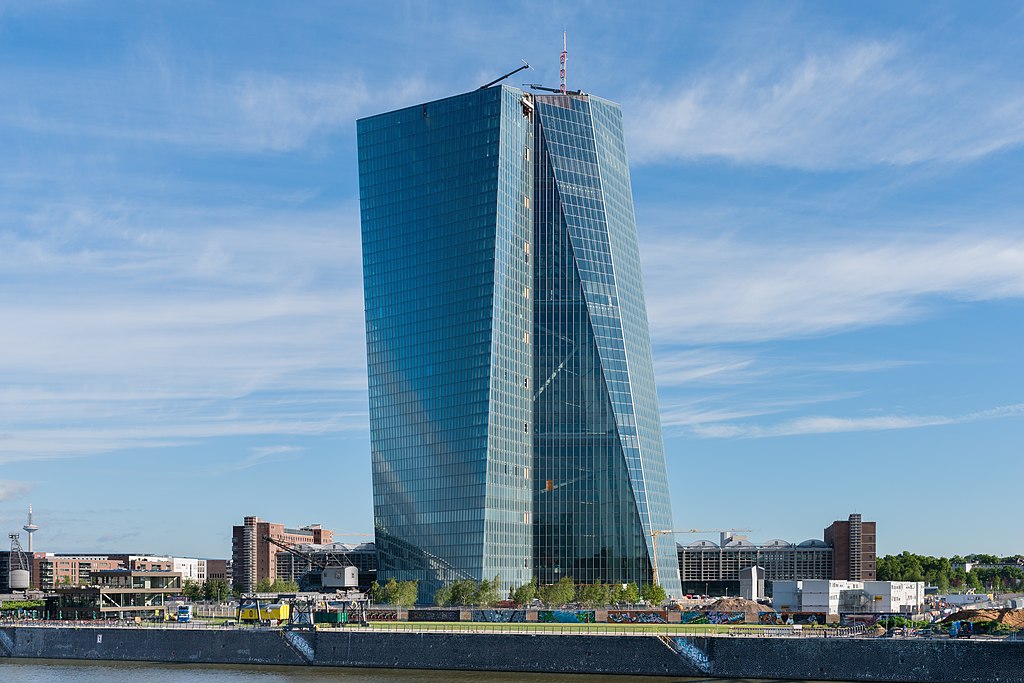
The European Union has unveiled its most extensive sanctions package against Russia in two years, introducing strict measures that heavily target the country’s growing reliance on cryptocurrency. Announced on April 23, the new restrictions are designed to disrupt Russia’s ability to use digital assets for international financial transactions and to tighten enforcement across its crypto ecosystem.
According to the EU, Russia has increasingly turned to cryptocurrencies to bypass traditional financial systems. In response, the bloc has implemented a full ban on crypto asset service providers (CASPs) and platforms established within Russia. This includes prohibiting any transfer or exchange of digital assets involving these entities, marking a significant escalation in crypto-related sanctions.
The measures also extend to Russia’s central bank digital currency (CBDC) initiatives. The EU has officially banned the use and development of the digital ruble, along with the ruble-backed stablecoin known as RUBx. Additionally, all forms of EU support tied to these digital currency projects have been prohibited.
Beyond crypto, the sanctions target 20 Russian banks and four financial institutions from third countries connected to the Russian System for Transfer of Financial Messages (SPFS), a domestic alternative to SWIFT. Blockchain analytics firm Chainalysis highlighted that the EU also sanctioned TengriCoin, a Kyrgyzstan-based crypto exchange operating as Meer.kg, which has facilitated large volumes of trades involving the state-linked stablecoin A7A5.
Chainalysis reports that A7A5 has processed over $119.7 billion in transactions, serving as a key settlement tool for sanctioned Russian entities seeking access to global markets. The EU’s latest actions aim to dismantle this network, which includes the Garantex–Grinex–A7A5 ecosystem.
Under the new rules, EU individuals and businesses are prohibited from engaging with Russian and Belarusian crypto platforms, including decentralized finance (DeFi) services. The regulations also block the provision of Markets in Crypto-Assets (MiCA) services to Belarusian entities and ban netting transactions with Russian counterparts to prevent sanctions evasion.
The sanctions package also highlights financial links involving countries such as Kyrgyzstan, China, the UAE, Uzbekistan, Kazakhstan, and Belarus, reflecting the broader international scope of Russia’s financial networks.






Comment 0