

 News
News  Coin Information
  About us
  Customer Service


 Add as a preferred source on Google

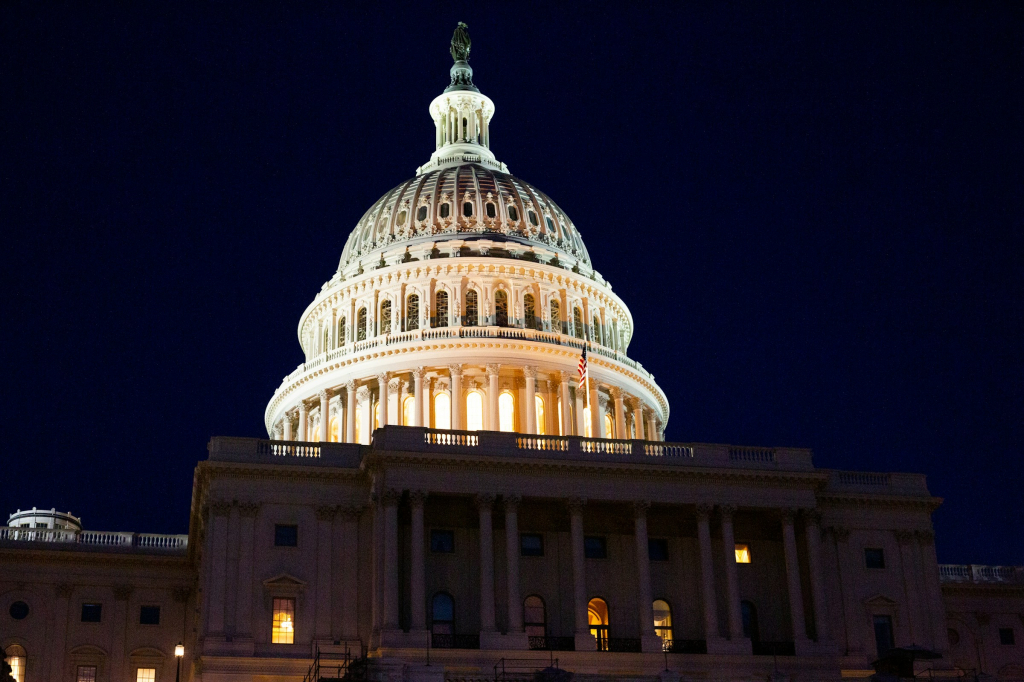
The U.S. Senate’s push to pass the Digital Asset Market Clarity Act faces a critical hurdle as Democrats and Republicans remain divided over how to enforce new ethics rules governing government officials’ cryptocurrency ties.
According to people familiar with a White House briefing to crypto industry representatives, the biggest unresolved issue centers on enforcement authority. Senate Democrats want state attorneys general to oversee compliance with the proposed ethics restrictions, while the White House and Republican lawmakers argue that enforcement should fall under the U.S. attorney general.
The ethics provision has become the most contentious part of the crypto market structure bill, with negotiators viewing it as essential to securing bipartisan support. Sources say the restrictions would apply to the president, vice president, and all members of Congress. If lawmakers reach a compromise, the broader legislation is expected to move forward despite remaining debates over issues such as developer protections within the bill’s anti-money laundering framework.
Senate leaders are targeting August 7, the final day before the chamber’s summer recess, as the deadline for advancing the legislation this year. Industry observers expect the bill to reach the Senate floor as early as next week, with debate and final voting potentially lasting several days.
Earlier this week, the White House said President Donald Trump had agreed to what officials described as the most comprehensive ethics provision ever proposed for crypto-related government conflicts. However, the final legislative language had reportedly not yet been shared with Senate Democrats. Administration officials contend they have made major concessions and argue that any further delay would rest with Democratic lawmakers.
The proposed restrictions also raise questions about how President Trump’s personal and family crypto interests would be handled. Trump and his family maintain investments in several digital asset ventures, including World Liberty Financial. While Trump has repeatedly denied any conflict of interest, Democratic lawmakers continue to argue that his crypto involvement creates ethical concerns.
Even if the Senate approves the Clarity Act, the legislation must still clear the House of Representatives, where internal Republican divisions could complicate its path. Additionally, discussions among some Democrats about adding prediction market regulations to the bill threaten to further delay or derail its passage.


















Comment 0