

 News
News  Coin Information
  About us
  Customer Service


 Add as a preferred source on Google
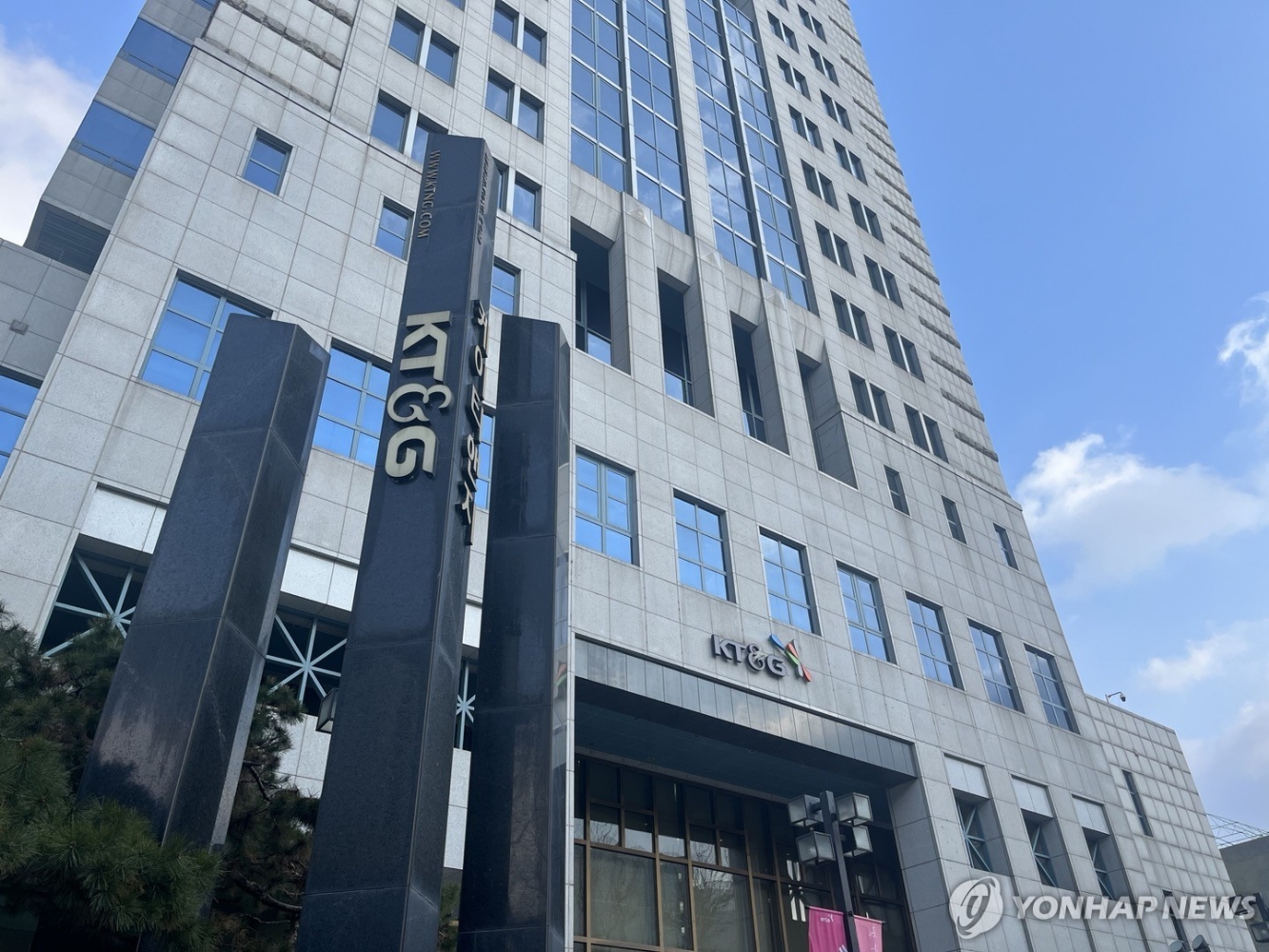
U.S. asset managers are rapidly increasing their stakes in KT&G, a move that is drawing fresh attention to the South Korean consumer goods group’s improving earnings trajectory and perceived mid-to-long-term growth potential.
KT&G said Friday ET that Capital Group disclosed an 8.22% stake in the company for 'pure investment' purposes. According to Korea’s electronic disclosure system, Capital Group holds about 8.53 million shares. While a 'pure investment' filing indicates the investor does not intend to participate in management, accumulating a sizable holding is often read by markets as a vote of confidence in a company’s valuation and fundamentals.
Capital Group has lifted its exposure at a notable pace over the past two months. The firm reported a 5.61% stake on May 8, raised it to 7.21% on June 9, and then added roughly 1.04 million shares to push its ownership above the 8% threshold.
Another global heavyweight has also stepped up. BlackRock increased its KT&G stake from 5.01% to 6.15% as of June 10. The near-simultaneous buying by large managers—often categorized as 'long-term institutional capital'—has been viewed locally as more than routine portfolio rebalancing, given the scale and timing of the increases.
Market participants point to KT&G’s recent performance as a key driver behind the growing overseas interest. On a consolidated basis, the company posted first-quarter revenue of 1.7036 trillion won, up 14.3% year over year, while operating profit rose 27.6% to 364.5 billion won. The fact that operating profit outpaced revenue growth has been interpreted as a sign of strengthening core profitability and better operating leverage.
A KT&G representative said the steady stake-building by global asset managers with a long-term orientation suggests the market is increasingly recognizing the company’s 'growth prospects' and 'fundamental competitiveness.'
Investors are now watching whether the ownership shift translates into a broader 're-rating' of KT&G’s equity story, rather than remaining a short-lived supply-and-demand catalyst. If the earnings momentum holds and expectations remain intact around shareholder returns and business competitiveness, analysts say foreign long-term interest could persist in the months ahead.
🔎 Market Interpretation
- Large U.S. asset managers are accumulating KT&G shares: Capital Group disclosed an 8.22% stake (about 8.53M shares) under a “pure investment” purpose, while BlackRock raised its holding to 6.15%—moves often interpreted as institutional confidence in valuation and fundamentals.
- Buying pattern suggests conviction, not routine rebalancing: Capital Group increased ownership quickly (5.61% → 7.21% → 8.22% in roughly two months), and the near-simultaneous increase by BlackRock reinforces the market’s view of a coordinated, long-horizon positioning.
- Earnings trajectory is driving renewed interest: KT&G’s 1Q consolidated revenue grew 14.3% YoY to 1.7036T won, while operating profit rose faster (+27.6% to 364.5B won), implying improving profitability and operating leverage.
- Potential for equity “re-rating”: Investors are focused on whether sustained earnings momentum and shareholder-return expectations can shift KT&G’s market perception beyond a short-term supply-demand effect.
💡 Strategic Points
- Watch ownership thresholds and follow-on filings: Continued incremental buys by Capital Group/BlackRock could act as a durable sentiment tailwind, whereas pauses or reductions may temper the “long-term capital” narrative.
- Track margin expansion signals: Since operating profit growth outpaced revenue growth, future quarters should be monitored for confirmation that cost discipline, pricing power, or mix improvements are structurally lifting margins.
- Re-rating catalysts to monitor: Sustained earnings beats, clearer long-term growth drivers, and credible shareholder-return policies (e.g., dividends/buybacks) could support valuation multiple expansion.
- Differentiate “pure investment” from activism: The filing implies no intent to influence management, but the scale of ownership can still increase market scrutiny on capital allocation and strategic execution.
- Risk lens: If earnings momentum slows or expectations around competitiveness/shareholder returns weaken, foreign inflows could fade, limiting any re-rating.
📘 Glossary
- Pure investment filing: A disclosure indicating the investor is buying for investment returns, not to participate in or influence management decisions.
- Stake / ownership percentage: The portion of a company’s outstanding shares held by an investor (e.g., 8.22%).
- Long-term institutional capital: Large asset managers (e.g., Capital Group, BlackRock) typically investing with multi-year horizons rather than short-term trading goals.
- Operating profit: Profit from core operations before interest and taxes; often used to gauge underlying business profitability.
- Operating leverage: When profits grow faster than revenue due to relatively fixed costs or improved efficiency, amplifying earnings as sales rise.
- Re-rating: A sustained change in how the market values a stock (often higher valuation multiples) due to improved fundamentals or sentiment.
- Supply-and-demand catalyst: A price move driven primarily by buying/selling pressure rather than long-term changes in business value.
















Comment 0