
 Add as a preferred source on Google
AI Boom Reshapes Bitcoin Mining as Miners Pivot to Cheaper Energy
Bitcoin mining is undergoing a major transformation as artificial intelligence and high-performance computing (HPC) compete for power, infrastructure and capital. However, AI’s rapid expansion may reshape Bitcoin mini…


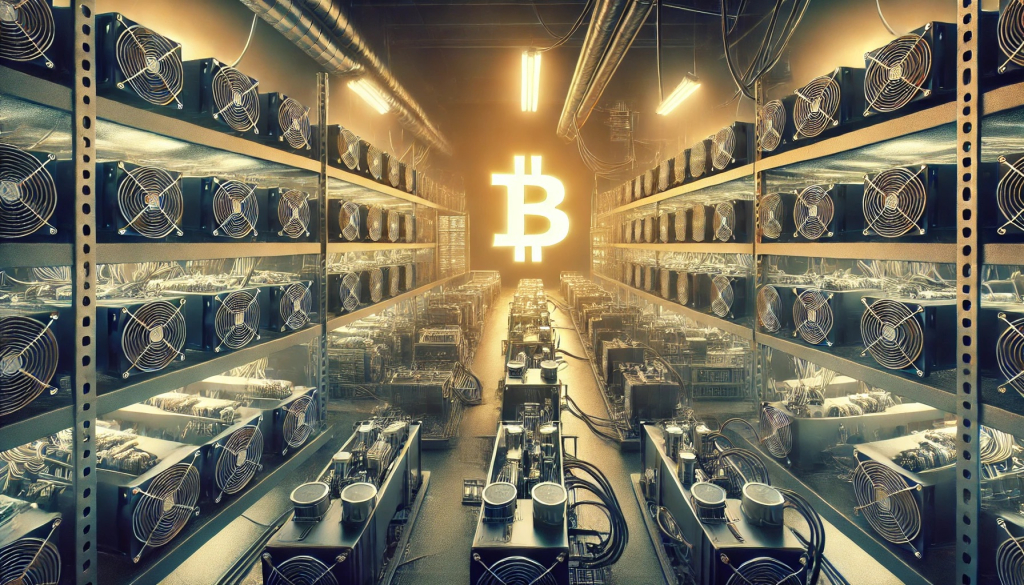
Bitcoin mining is undergoing a major transformation as artificial intelligence and high-performance computing (HPC) compete for power, infrastructure and capital. However, AI’s rapid expansion may reshape Bitcoin mining rather than push it out of the market entirely.
Bitcoin’s network hashrate surpassed 1.1 ZH/s in October 2025 before falling toward 900 EH/s several times this year. Mining difficulty also recorded unusually steep declines, dropping 11.16% in February and another 10.09% in June. Meanwhile, major Bitcoin miners are increasingly shifting resources toward AI and HPC operations.
The trend reflects the stronger economics available from AI infrastructure. Core Scientific reported a negative 56% gross margin from self-mining in the second quarter, while its data center colocation operation generated nearly $80 million in gross profit. TeraWulf, meanwhile, derived roughly 71% of its revenue from HPC leasing during the same period.
Still, AI and Bitcoin mining do not directly compete for computing hardware. Bitcoin ASIC machines cannot run large AI models, while GPUs are generally uneconomical for Bitcoin mining. Instead, competition centers on land, capital, chip manufacturing capacity and, most importantly, reliable electricity.
AI operators typically value grid-connected sites with dependable power, fiber connectivity and existing substations because building such infrastructure can take years. Bitcoin miners already controlling these resources can therefore generate higher returns by converting premium facilities into AI data centers.
Bitcoin mining, however, has greater flexibility when using intermittent or otherwise underutilized electricity. Miners can operate using surplus solar power, remote hydropower, curtailed renewable energy or electricity that cannot easily reach the grid. Mining machines can quickly reduce consumption or shut down when power becomes unavailable.
As large miners pivot toward AI, second-hand mining rigs could also move to smaller operators with access to cheaper electricity. Bitcoin’s difficulty adjustment mechanism provides another balancing force, lowering mining difficulty when hashrate declines and potentially making previously unprofitable machines viable again.
The 2028 Bitcoin halving will provide another major test as block rewards fall by half. Ultimately, AI may capture the most valuable power infrastructure, but Bitcoin mining could become increasingly decentralized around flexible, low-cost and underutilized energy sources.
Riza Dagoc
Riza Dagoc reports on regulation, investing and the digital-asset business for TokenPost. Send corrections or tips to info@tokenpost.com.