
 Add as a preferred source on Google
US Dollar Loses 97% of Purchasing Power as Bitcoin Gains Ground
The US dollar has lost roughly 97% of its purchasing power since the Federal Reserve was established in 1913, highlighting more than a century of inflation and fueling comparisons with Bitcoin as an alternative store …


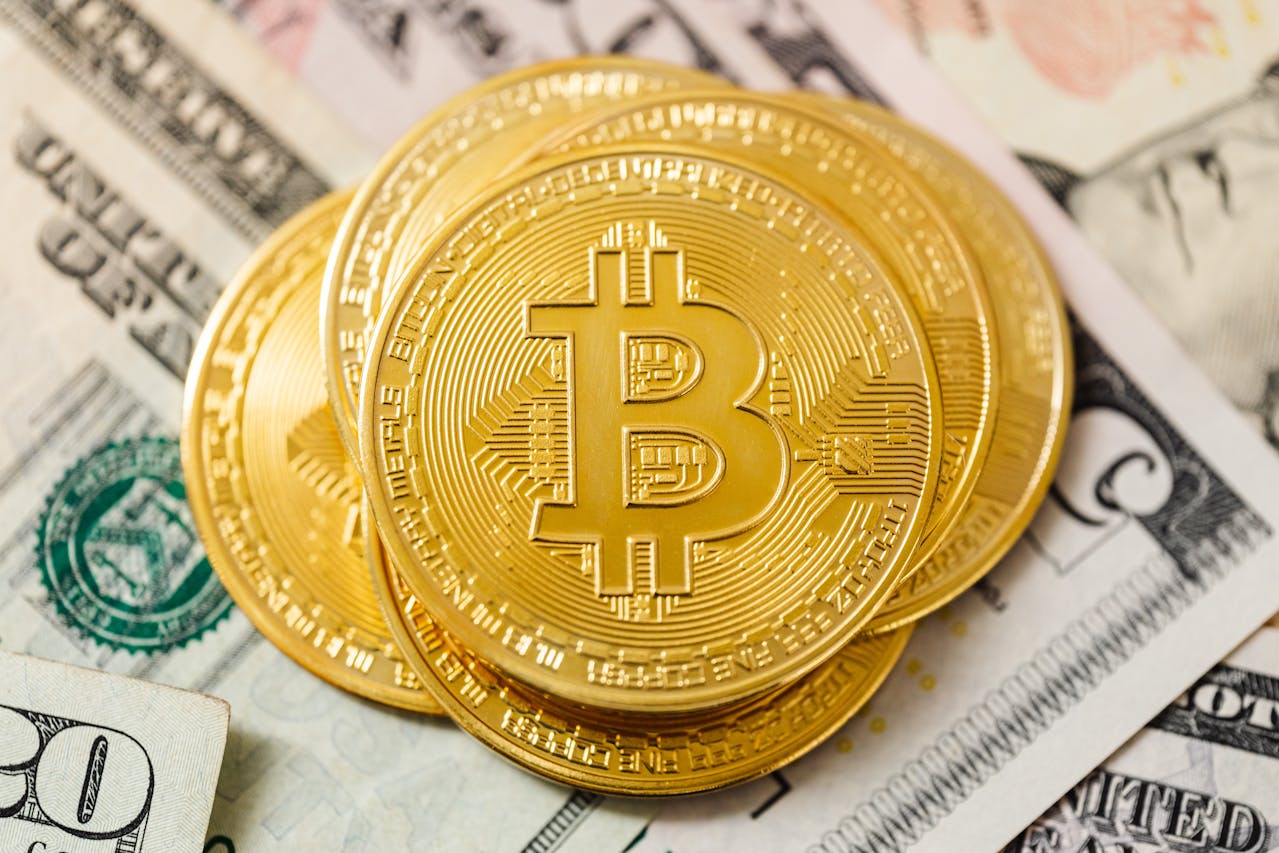
The US dollar has lost roughly 97% of its purchasing power since the Federal Reserve was established in 1913, highlighting more than a century of inflation and fueling comparisons with Bitcoin as an alternative store of value.
According to CPI-U data from the Bureau of Labor Statistics, $1 in 1913 had purchasing power equivalent to approximately $33 to $34 in 2026. Put differently, one 1913 dollar would buy only about 3 cents worth of goods at today's prices.
The decline reflects 113 years of inflation spanning two world wars, the high-inflation period of the 1970s and the sharp price increases of 2021-2023. The end of US dollar convertibility into gold in 1971 also marked a major change in the monetary system.
Bitcoin supporters frequently point to this long-term erosion in dollar purchasing power when arguing for scarce digital assets. Bitcoin has a maximum supply of 21 million coins and a predetermined issuance schedule designed to reduce the creation of new BTC over time.
However, Bitcoin carries substantially greater short-term volatility. While early investors generated enormous returns, the cryptocurrency has repeatedly experienced declines of 50% to 80% during individual market cycles.
As of early September 2026, Bitcoin trades near $79,852, significantly below its October 2025 record of $126,080. Despite that correction, BTC has risen more than 59,000% since its early trading history.
Institutional adoption has also transformed Bitcoin's investment profile. US spot Bitcoin ETFs, launched in 2024, allow pensions, financial advisers and institutional investors to gain exposure without directly managing private keys. By September 4, these ETFs had recorded $55.62 billion in cumulative net inflows and held approximately $101.25 billion in net assets, representing about 6.33% of Bitcoin's market capitalization.
Bitcoin has not replaced the US dollar, which remains dominant in global trade, debt pricing and wages. Its volatility, regulatory uncertainty, custody challenges and energy concerns also remain significant risks.
Still, the dollar's 97% purchasing-power decline strengthens Bitcoin's appeal among investors seeking protection from long-term currency debasement. Whether BTC ultimately becomes a mainstream reserve asset or remains primarily a speculative investment will depend heavily on adoption, regulation and investors' time horizons.
Riza Dagoc
Riza Dagoc reports on regulation, investing and the digital-asset business for TokenPost. Send corrections or tips to info@tokenpost.com.