Senate Unveils Major U.S. Crypto Market Structure Bill Ahead of Key Hearing
The U.S. Senate Banking Committee has released the latest version of its long-awaited crypto market structure bill, marking a major step toward integrating the cryptocurrency industry into the regulated U.S. financial…

The U.S. Senate Banking Committee has released the latest version of its long-awaited crypto market structure bill, marking a major step toward integrating the cryptocurrency industry into the regulated U.S. financial system. The 309-page proposal, introduced ahead of a crucial committee hearing, focuses on consumer protection, stablecoin oversight, anti-money laundering measures, and regulatory clarity for decentralized finance (DeFi).
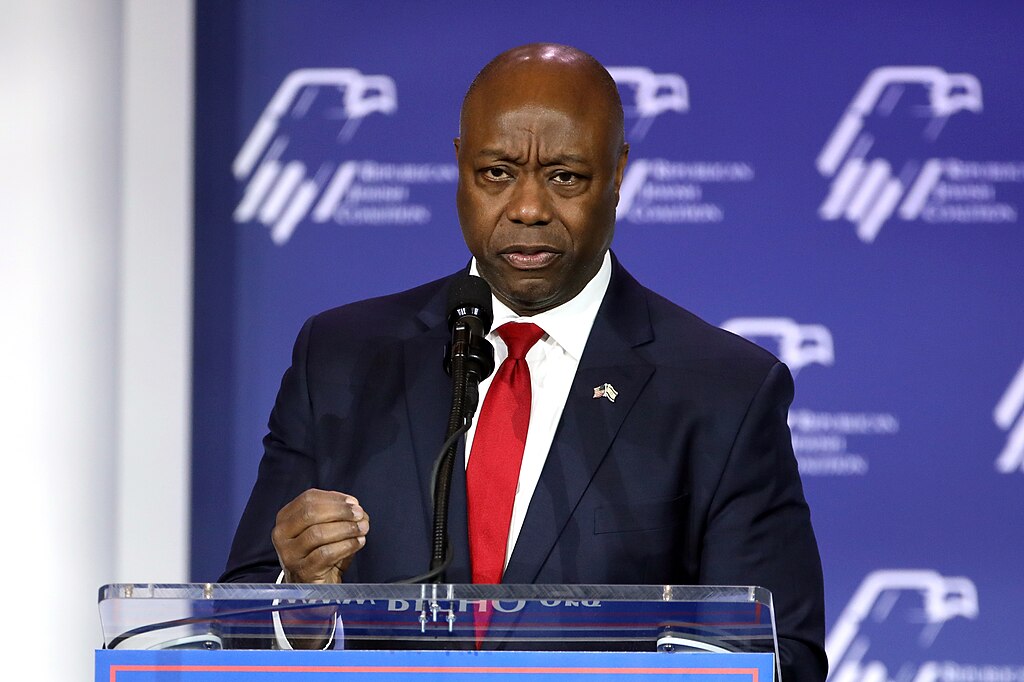
Senate Banking Committee Chairman Tim Scott stated the legislation aims to strengthen safeguards, prevent illicit finance, and keep crypto innovation within the United States. While the bill’s release signals progress for the digital asset industry, significant political and regulatory challenges remain before it can become law. One of the biggest unresolved issues is the addition of an ethics provision designed to prevent government officials from profiting from crypto-related activities. Democrats, including Senator Elizabeth Warren and Senator Kirsten Gillibrand, continue pushing for stricter conflict-of-interest rules tied to President Donald Trump’s crypto involvement.
The bill also addresses stablecoin yield programs, restricting interest payments tied directly to holding payment stablecoins in ways similar to bank deposits. Coinbase CEO Brian Armstrong acknowledged that compromises were made during negotiations, emphasizing cooperation between crypto firms and traditional banks. Banking lobby groups, however, remain concerned that stablecoins could threaten traditional deposit systems.
Another important feature is the inclusion of protections for DeFi developers through provisions aligned with the Blockchain Regulatory Certainty Act. These rules would prevent software developers who do not control customer funds from being classified as money transmitters. Industry groups supporting DeFi welcomed the language while monitoring potential amendments.
The legislation must still pass additional Senate committees and secure bipartisan support before reaching the president’s desk, but the latest developments highlight growing momentum for comprehensive U.S. crypto regulation in 2026.