

 News
News  Coin Information
  About us
  Customer Service


 Add as a preferred source on Google

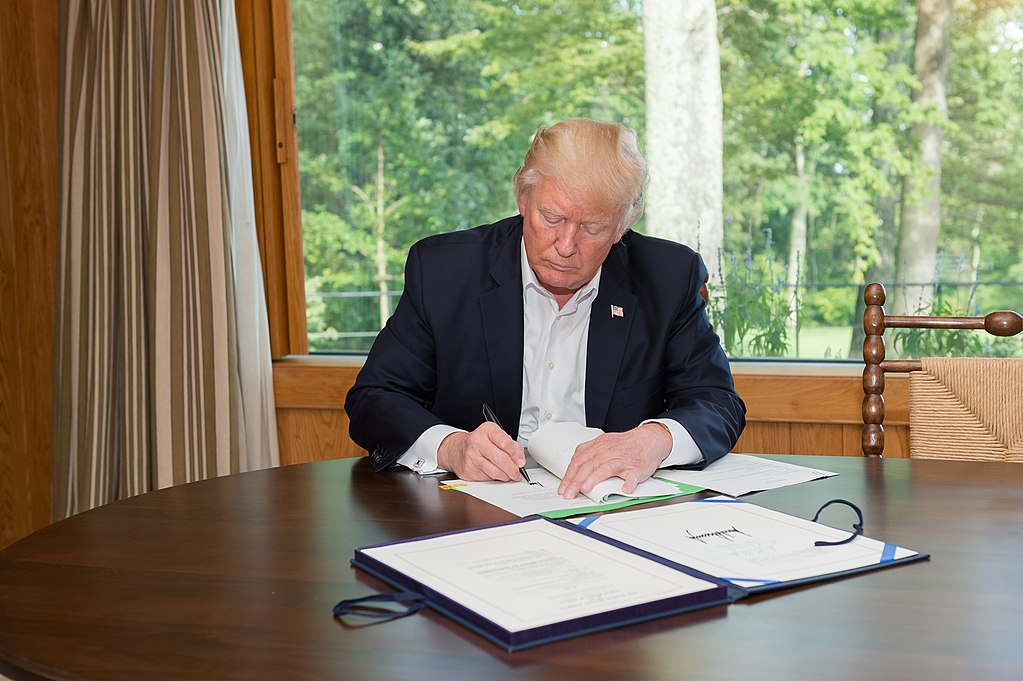
President Donald Trump’s disclosure that his cryptocurrency holdings and related ventures boosted his personal wealth by about $1.4 billion has intensified debate over ethics provisions in the Senate’s Digital Asset Market Clarity Act, a key crypto market structure bill awaiting a floor vote.
Democratic lawmakers are pushing for stricter ethics rules that would limit cryptocurrency involvement by senior government officials and their immediate families. During a recent briefing organized by Senator Chris Murphy, ethics and anti-corruption advocates argued that the legislation should prevent government leaders from financially benefiting from an industry they oversee. Proposals include ownership restrictions, expanded disclosure requirements, and extending the rules to family members.
The ethics section remains one of the final unresolved issues in negotiations over the Clarity Act. Industry participants expect a revised draft within days, although the ethics language and several other disputed provisions are likely to remain unfinished. Earlier bipartisan discussions reportedly explored delaying implementation to avoid immediate effects on Trump’s existing crypto interests while limiting restrictions to public officials themselves. However, negotiations have recently stalled as lawmakers face a narrowing legislative calendar before the Senate’s summer recess.
Senate Majority Leader John Thune has indicated he intends to move forward with a vote on the Clarity Act this month. At the same time, several Senate Democrats, including Chris Murphy, Chris Van Hollen, and Jeff Merkley, plan to publicly oppose the bill, arguing it fails to address what they describe as conflicts of interest tied to President Trump’s cryptocurrency activities.
Senator Kirsten Gillibrand has also called for legislation prohibiting presidents, members of Congress, and their spouses from issuing or sponsoring digital assets. She argued that ethics reforms are essential alongside consumer protections, anti-money laundering measures, and broader cryptocurrency regulation.
Because the Clarity Act requires at least 60 Senate votes, Republican support alone is insufficient, making Democratic backing critical. Trump, meanwhile, reaffirmed his support for the legislation, urging Congress to pass the bill while White House crypto adviser Patrick Witt described this week as a pivotal moment for advancing U.S. digital asset regulation.

















Comment 0