
 Add as a preferred source on Google
Senate Reopens Crypto Market Structure Talks as Ethics Dispute Threatens Clarity Bill
U.S. Senate negotiations on the Clarity crypto bill have resumed as Democrats and Republicans clash over ethics rules tied to President Trump, putting the bill’s path to 60 votes at risk.

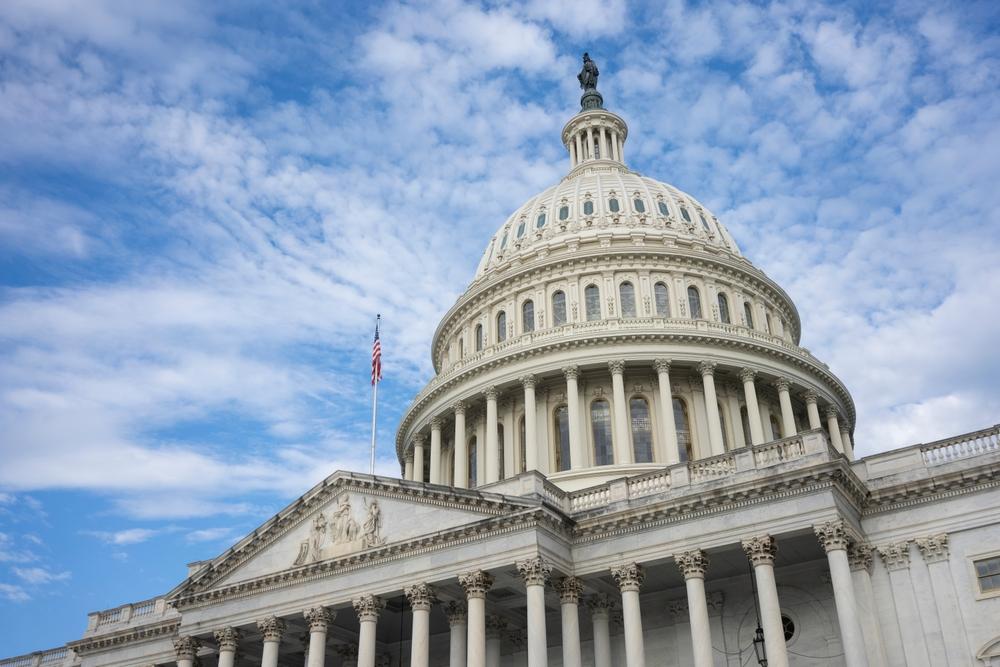
The U.S. Senate is reopening negotiations over the ‘Clarity’ crypto market structure bill, with a renewed fight centered on how aggressively lawmakers should restrict President Trump’s potential financial interests in digital assets—an issue that could determine whether the legislation can reach the 60 votes needed to advance.
According to Politico on Thursday, July 24, Senate Democrats and a small group of Republicans are preparing an alternative to the White House-approved ethics language included in a newly released draft of the bill. Democrats argue the provision is effectively toothless because it is designed to be enforced only by the Department of Justice, limiting avenues for oversight and accountability.
The Clarity legislation is widely viewed on Capitol Hill as a cornerstone effort to establish a new U.S. regulatory framework for crypto, clarifying the roles of agencies and setting standards for how digital assets are issued, traded, and supervised. While a bipartisan deal remains possible in theory, the ethics section—intended to address conflicts of interest at the highest level of government—has become a major political and procedural fault line.
Sen. Ruben Gallego (D-Ariz.) said the version brought forward by Republicans this week fell far short of what Democrats consider a workable compromise. “What they brought back to us was awful, and it wasn’t a serious negotiation,” Gallego said, arguing that months of bipartisan discussions had been misrepresented in the latest draft.
The current wording emerged from talks involving the White House, Sen. Cynthia Lummis (R-Wyo.) and Sen. Bernie Moreno (R-Ohio), according to the report. Lummis, one of the leading Republican voices pushing for passage of a crypto framework, defended the approach in a statement, saying President Trump supports what she described as the most stringent ethics rules ever applied to the presidency and has chosen standards “higher than what the law requires.”
Behind the scenes, Gallego and other Democrats had been negotiating ethics language for months with Lummis, Moreno, and the White House. The process reportedly stalled over whether state attorneys general should have authority to enforce the ethics provisions—an enforcement mechanism Democrats see as essential, but which Republicans and the administration have resisted.
Gallego said he is now drafting new amendment language with Sen. Thom Tillis (R-N.C.) and other Republicans whose names he declined to disclose. “We haven’t finished this fight,” Gallego said, adding that Democrats plan to reintroduce revised bill text.
Tillis offered a mixed assessment, signaling some openness to the White House-backed draft while acknowledging the political math remains difficult. He noted that the bill still needs 60 votes and suggested the baseline ethics language does not meet the expectations of some Democrats. Tillis said he expects additional last-stage discussions with the White House to determine whether the administration would accept “a few reasonable” add-ons.
The timing adds further pressure. Senate Republicans have been aiming to bring the crypto bill to the floor before the August recess, but Senate Majority Leader John Thune (R-S.D.) sounded doubtful on Thursday that the chamber could wrap up action in time. Asked whether the Senate would complete work on both the Clarity bill and a separate college sports measure before recess, Thune said he did not think that was likely, though he still wants to begin the debate and gauge where votes stand.
The renewed ethics dispute underscores a broader reality in Washington’s crypto policy debate: even when momentum builds for long-sought regulatory clarity, politically sensitive questions—especially those tied to presidential conflicts—can quickly become decisive. With bipartisan support still fragile, the next round of negotiations will likely determine whether the Clarity bill can move this summer or slides into a longer, more contentious fall agenda.
Article Summary by TokenPost.ai
🔎 Market Interpretation
Regulatory-clarity catalyst remains in play, but timing risk is rising: The Clarity market structure bill is still viewed as a foundational U.S. crypto framework, yet the odds of near-term passage depend on resolving an ethics-enforcement standoff that could delay floor action past the August recess.
Ethics language is becoming the swing factor for 60 votes: Even if there is broad agreement on agency roles and market rules, senators’ willingness to support the bill may hinge on whether conflict-of-interest constraints on the president are meaningfully enforceable.
Headline sensitivity likely to increase volatility expectations: Markets typically price “regulatory progress” as positive, but repeated negotiation breakdowns—especially involving presidential-interest restrictions—can create abrupt sentiment shifts and reduce confidence in legislative timelines.
Enforcement architecture is the market-relevant detail: Democrats argue the current draft is “toothless” because enforcement is routed primarily through DOJ, while they prefer state attorneys general authority; the final enforcement mechanism will shape perceived credibility and durability of the framework.
💡 Strategic Points
Monitor amendment negotiations, not just the bill’s core structure: The key near-term signal is whether a revised ethics amendment (being drafted by Sen. Gallego with Sen. Tillis and other Republicans) can attract enough cross-party support without losing White House backing.
Track the 60-vote whip count and “add-on” acceptability: Sen. Tillis indicated the baseline draft may not satisfy some Democrats; the likelihood of passage increases if the White House accepts “a few reasonable” enforcement/oversight additions.
Assess recess timing as a binary catalyst: If Senate leadership cannot complete action before August recess, the bill may slip into the fall agenda, increasing policy uncertainty and the risk of additional political conditions being attached.
Watch for enforcement compromise scenarios:
Compromise A: limited state AG role (e.g., narrow standing, defined triggers) plus reporting requirements.
Compromise B: independent oversight or mandatory disclosures paired with DOJ enforcement timelines.
Compromise C: sunset/review clause for ethics provisions to secure initial votes while preserving future tightening.
Policy takeaway for industry participants: Even with momentum for “market structure” clarity, politically sensitive conflict-of-interest provisions can become gating items; compliance planning should include scenario analysis for delayed or amended implementation dates.
📘 Glossary
Clarity (crypto market structure bill): Proposed U.S. legislation intended to define how digital assets are regulated, including agency jurisdiction, issuance standards, trading rules, and supervisory responsibilities.
Market structure: The set of rules governing how assets are created/issued, traded, cleared/settled, and overseen—often determining which regulators have authority and what compliance obligations apply.
Ethics language / conflicts of interest: Statutory provisions aimed at preventing government officials (here, the president) from benefiting financially from decisions or policies affecting certain assets or markets.
DOJ-only enforcement: A design where the Department of Justice is the primary (or sole) enforcer of the ethics rules, potentially limiting alternative oversight avenues and reducing perceived accountability.
State attorneys general (state AGs): Top legal officers of U.S. states; granting them enforcement authority can broaden oversight beyond federal agencies and accelerate legal challenges or investigations.
Floor consideration: The stage where a bill is debated and voted on by the full Senate, often after negotiations on amendments and vote counts.
60-vote threshold (Senate): The typical number of votes needed to overcome a filibuster and advance most legislation in the Senate, making bipartisan support effectively required.
August recess: A scheduled Senate break that can compress legislative timelines and push unresolved bills into later sessions.