
Trump Delays Housing Bill Signing, Raising Concerns for CBDC Ban and Crypto Market Structure Legislation
U.S. President Donald Trump has postponed signing a major housing affordability bill that contains a four-year ban on central bank digital currencies (CBDCs), insisting that Congress first pass the SAVE America Act, a…

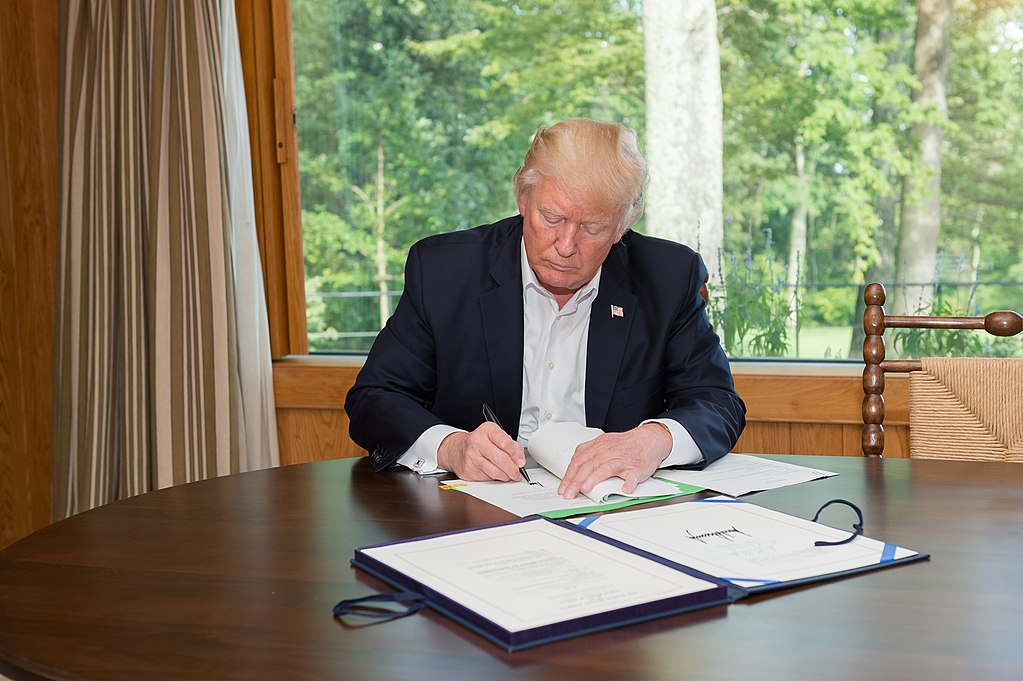
U.S. President Donald Trump has postponed signing a major housing affordability bill that contains a four-year ban on central bank digital currencies (CBDCs), insisting that Congress first pass the SAVE America Act, a controversial voter identification and citizenship verification measure.
Trump had been expected to sign the housing legislation during a scheduled White House ceremony on Wednesday. However, he announced on Truth Social that the event was canceled until lawmakers approve what he described as the “desperately needed SAVE AMERICA ACT,” calling it a national emergency.
The housing affordability bill received bipartisan support in Congress and includes a provision that would prohibit the creation of a U.S. CBDC through the end of 2030. While the Federal Reserve was not expected to launch a digital dollar anytime soon, many cryptocurrency advocates strongly backed the CBDC ban due to concerns about government oversight and financial privacy.
Republican lawmakers have long argued that a Federal Reserve-issued digital currency could allow excessive monitoring of citizens’ financial activities. Trump previously reinforced that position by signing an executive order opposing the development of a U.S. CBDC, citing risks to privacy, financial stability, and national sovereignty.
The delay is also creating uncertainty around the Digital Asset Market Clarity Act, commonly known as the Clarity Act. The crypto market structure bill is considered one of the industry’s top legislative priorities. With only a few weeks remaining before Congress begins its summer recess, any shift in focus toward election-related legislation could reduce the time available to advance cryptocurrency regulation.
Political analysts remain skeptical about the SAVE America Act’s chances in the Senate. According to TD Cowen policy analyst Jaret Seiberg, the bill faces significant obstacles, including the Senate filibuster and concerns among lawmakers regarding citizenship verification requirements for voters.
Trump has a 10-day constitutional window to decide whether to sign or veto the housing bill. Although Congress appears to have enough support to potentially override a veto, such a move would require cooperation from Republican lawmakers who largely align with the president’s agenda.
The ongoing standoff has created uncertainty for housing policy, CBDC legislation, and the future of crypto regulation in the United States.
Riza Dagoc
Riza Dagoc reports on regulation, investing and the digital-asset business for TokenPost. Send corrections or tips to info@tokenpost.com.